

Animals are more similar to humans than we might think. Just like us, animals can suffer from many physical conditions that affect their comfort and quality of life. Mobility is every pet’s biggest health determinant. Pets who limp after a long walk, or have a difficult time getting up from a sitting position, experience pain just like we do.
In veterinary care, animal physiotherapy plays a huge role. It involves using physical techniques to restore mobility, reduce pain, and improve overall physical well-being. Typically, animal physiotherapy is performed under veterinary guidance, focusing on pets that have injuries, chronic illnesses, or have undergone surgery.
If your pet looks depressed or does not seem as energetic as they used to be, it is best to bring them for a check up at your regular vet. Here are 6 common conditions that will benefit from animal physiotherapy:
1. Neurological Disorders
Some of the more serious reasons a pet might need physiotherapy are related to neurological disorders. These affect the brain, spinal cord, or nerves, and can cause symptoms like weakness, wobbliness, or even paralysis.
Common conditions include intervertebral disc disease (IVDD), nerve injuries, and degenerative myelopathy.
In these cases, physiotherapy focuses on rebuilding the connection between the brain or spinal cord and the body. Treatments may include balance exercises, neuromuscular stimulation, and guided movements that help the body relearn how to move.
It’s often a slow journey, but every small improvement, like taking a few steps or standing up on their own, is a huge victory.
2. Soft Tissue and Muscle Sprains
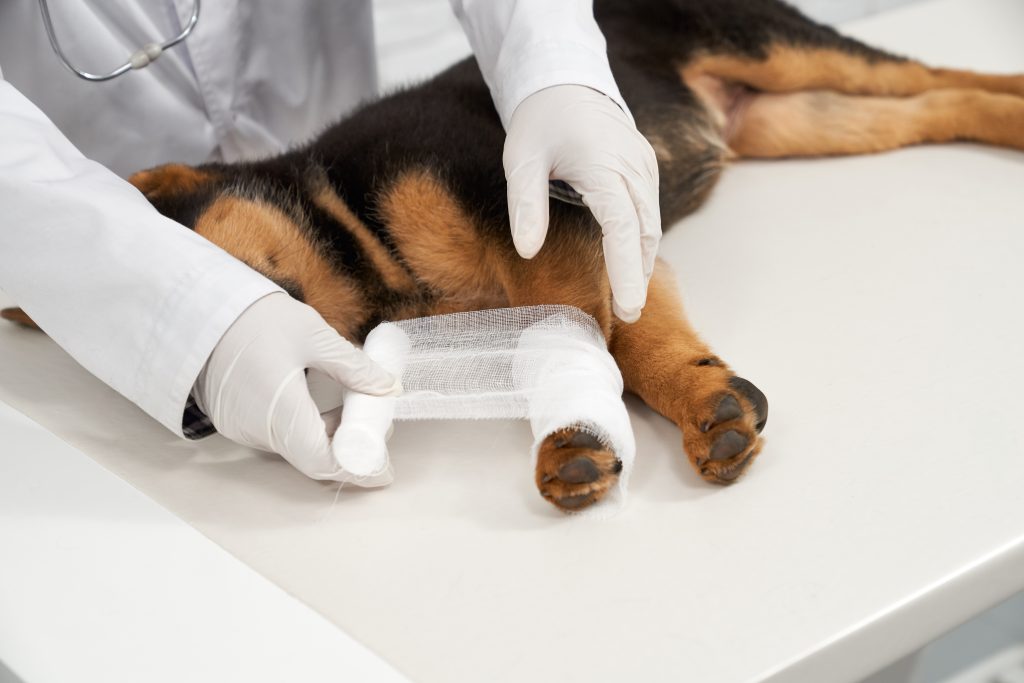
Not every injury is major. Sometimes, a pet pulls a muscle playing too hard or sprains something jumping off a couch. These are soft tissue injuries, and they are quite common. The good news is that most heal well with rest and the right therapy.
Physiotherapy can include massage, gentle stretching, and targeted exercises to reduce pain and restore normal movement. Once your pet starts feeling better, therapy can shift toward injury prevention by improving strength, coordination, and flexibility.
3. Post Operative Rehabilitation
Surgery, whether it’s orthopaedic or neurological, can be tough on a pet’s body. And while rest is important, it’s often not enough on its own. Most pets need some extra help to get back to feeling like themselves, especially when it comes to building up their strength, balance, and mobility.
Surgeries like cruciate ligament repairs, hip surgeries, and spinal surgeries are pretty major, but the real recovery begins once your pet is back home and the stitches are out.
Treatments like therapeutic land exercises can slowly ease the pain and reduce swelling. They include exercises that help the pet’s coordination, balance, flexibility and strength, improving its overall mobility.
4. Tendon and Ligament Issues
You know how dogs love to zoom around, jump off furniture, or chase after tennis balls like their lives depend on it? It’s fun to watch–until something goes wrong.
Tendon and ligament injuries are common in pets, especially in active dogs. One of the most frequent is a cranial cruciate ligament (CCL) tear, similar to an ACL tear in humans.
Some pets may need surgery for this, while others might be treated with physiotherapy alone. Either way, rehab helps strengthen the muscles around the joint, improve flexibility, and restore function, all without putting too much pressure on the healing area.
5. Orthopedic & Joint Conditions
Joint and bone issues are some of the most common reasons pets need physiotherapy. These conditions affect mobility and quality of life, especially in aging or large-breed dogs.
Some key orthopedic and joint conditions include:
Hip Dysplasia
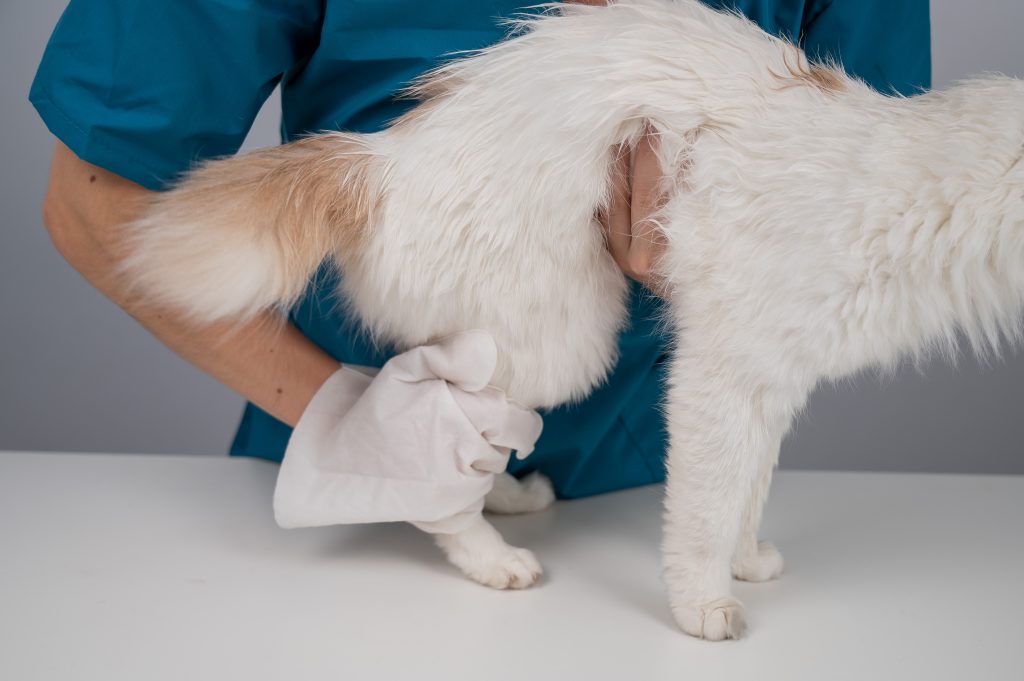
A condition often seen in large breeds like German Shepherds and Labradors. It affects the development of the hip joint and can worsen with age. While there’s no cure, physiotherapy helps by strengthening muscles around the hip, reducing joint stress, and easing discomfort.
Curious to know more about causes, symptoms, and treatment of hip dysplasia in dogs? Check out our in-depth guide.
Luxating Patella
A condition where the kneecap dislocates from its normal position. It can cause limping or a skipping gait, especially in small-breed dogs. Physiotherapy can improve muscle strength and stabilise the joint.
Discover our in-depth article on luxating patella in dogs, where we explain its underlying causes, telltale symptoms, and effective prevention strategies.
Osteoarthritis
Osteoarthritis is a common condition in older pets. This degenerative joint disease causes chronic pain and stiffness. While it cannot be cured, physiotherapy helps manage symptoms and maintain mobility through pain relief techniques and gentle exercise.
For a deeper look at how arthritis is treated in dogs, including helpful therapies and tips, check out our complete guide.
A Vital Step in Veterinary Healing
Seeing your pet in discomfort or struggling to move can be heartbreaking. But with the right care and support, recovery is possible. Animal physiotherapy provides a safe and effective way to allow pets to overcome a wide range of conditions, including neurological disorders, soft tissue injuries, hip dysplasia, and more.
If you notice any signs of stiffness, limping, or reluctance to move in your pet, don’t brush it off. A professional physiotherapy assessment from us could make a world of difference–not just in how they move, but in how they feel every day.