

Muscle Spasms in Dogs: Causes and Treatment Methods
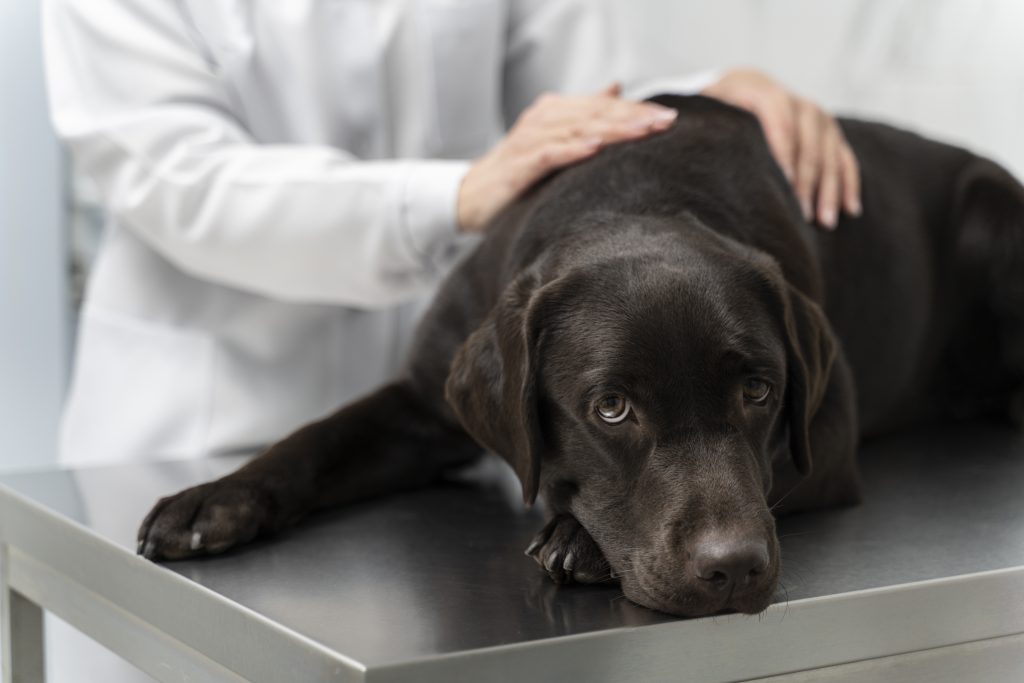
What are Muscle Spasms in Dogs? Muscle spasms in dogs are involuntary muscle contractions that may appear as sudden twitches, tremors, or shaking in a specific part of a dog’s body. These spasms may happen due to a number of reasons and are usually an indication that something else is happening in your dog’s body and requires attention. In addition to twitching, dogs may exhibit changes in behaviour when experiencing muscle spasms, such as difficulties in walking, lethargy, or increased sensitivity in areas where spasms are occurring. Symptoms The symptoms of dog muscle spasms are mostly visible, such as: Mild to severe twitching or trembling Lameness as your dog avoids using the affected limb due to pain or discomfort Stiffness in affected muscles, resisting movement Vocalisation such as whimpering, whining, or even yelping in response to discomfort or pain Abnormal posture or arching their back Behavioural changes, including irritability or restlessness due to discomfort Reluctance to move or carry out any physical activity to minimise the pain Causes Muscle spasms can happen due to a variety of reasons, and identifying the root cause is essential to helping your dog recover and prevent future occurrences. Some of the most common causes of muscle spasms include: Muscle strain or injury Dogs can suffer from muscle strains from overexertion, sudden movements, or injury. Overexertion is more common in more active dog breeds. When this happens, the muscles can respond with involuntary spasms as a protective reaction to the injury. Neurological disorders Irritation or compression in nerves travelling through and around muscles can cause muscle spasms. Likewise, other conditions that affect the nervous system, such as nerve damage due to exposure to toxins, can also contribute to this condition. Dehydration After an intense period of physical activity, especially in hot weather, dogs can become dehydrated without enough water or rest. As muscles need water to contract properly, the lack of fluids, combined with electrolyte imbalances, can trigger muscle spasms. Seizures Seizures may be mistaken for muscle spasms. Generalised seizures typically happen throughout the whole body, but partial (focal) seizures may appear as localised twitching or limb jerking, making them harder to differentiate from muscle spasms without further assessment. Age Dogs of certain ages are more prone to experiencing spasms than others. Elderly dogs may be more likely to develop muscle spasms after intense activity due to muscle fatigue and a natural loss of muscle mass and strength. Other conditions Other conditions can also contribute to muscle spasms. This includes metabolic disorders like hyperthyroidism or hypothyroidism, as well as underlying medical conditions like myositis, myopathy, or neurological diseases. Treatments Hydration In tropical countries like Singapore, where the temperature is mostly hot all year round, dogs may be more easily dehydrated, especially after strenuous activity. Ensuring your dog stays well-hydrated is one of the simplest steps to prevent and treat muscle spasms. Make sure your dog has easy access to plenty of fresh water, especially during hot days or after exercise. Massage and stretching Gently massaging and stretching the muscles that experience spasms can help relieve tension and reduce spasms. However, overdoing it may worsen your dog’s condition. If you are unsure how to do so, it is best to consult with a professional canine rehabilitation therapist or veterinarian so that they can perform proper massaging for your dog. Heat or cold therapy If your dog is spasming due to recent injuries or swelling, you may use an ice pack as cold therapy to the affected area within the first 72 hours. Afterwards, you can switch to a warm compress to alleviate the pain, stiffness, or soreness by increasing blood flow and relaxing their muscles. Avoid applying heat to fresh injuries, and be sure to consult your veterinarian or canine rehabilitation therapist to guide you on proper application and ensure there are no other underlying issues. Medications Medications such as muscle relaxants or pain medication can help manage dog muscle spasms. Always consult a vet first before administering any medication to prevent worsening the condition. Nutritional supplements The deficiency of certain nutrients in your dog’s diet, such as vitamins, minerals, and electrolytes, can cause muscle spasms. Your vet can recommend suitable supplements that help support your dog’s muscular system and recovery. Physical therapy (rehabilitation) If your dog’s muscle spasms happen due to a chronic musculoskeletal condition or injury, physical therapy (rehabilitation) may be helpful. Targeted rehabilitation can improve movement patterns, reduce compensatory muscle overuse, and support long-term comfort and function. Surgery In more severe cases of muscle spasms caused by nerve damage or a more serious issue, your vet may recommend surgery to remove the affected nerve or repair the damaged area. Acupuncture Acupuncture can be helpful as a complementary therapy to your dog’s ongoing treatment or medication for muscle spasms. By placing acupuncture needles at certain points on your dog’s body, the blood flow to specific areas experiencing spasms may be improved, which may help with pain relief and muscle relaxation. Get Your Dog’s Muscle Spasms Treated Today Muscle spasms may cause pain and discomfort for your dog and hinder them from their daily activities. By getting professional assistance from a trusted veterinarian, you can help your dog alleviate its spasms and address the root cause. Dog acupuncture can also be a helpful alternative solution that helps relieve the pain. Considering getting dog acupuncture and rehabilitation in Singapore? Bluewater Vet Acupuncture & Rehabilitation provides professional and trusted services to support your dog’s well-being. Feel free to reach out to us for further support or discussion!
Vestibular Disease in Dogs: Signs, Symptoms and Treatment Approaches
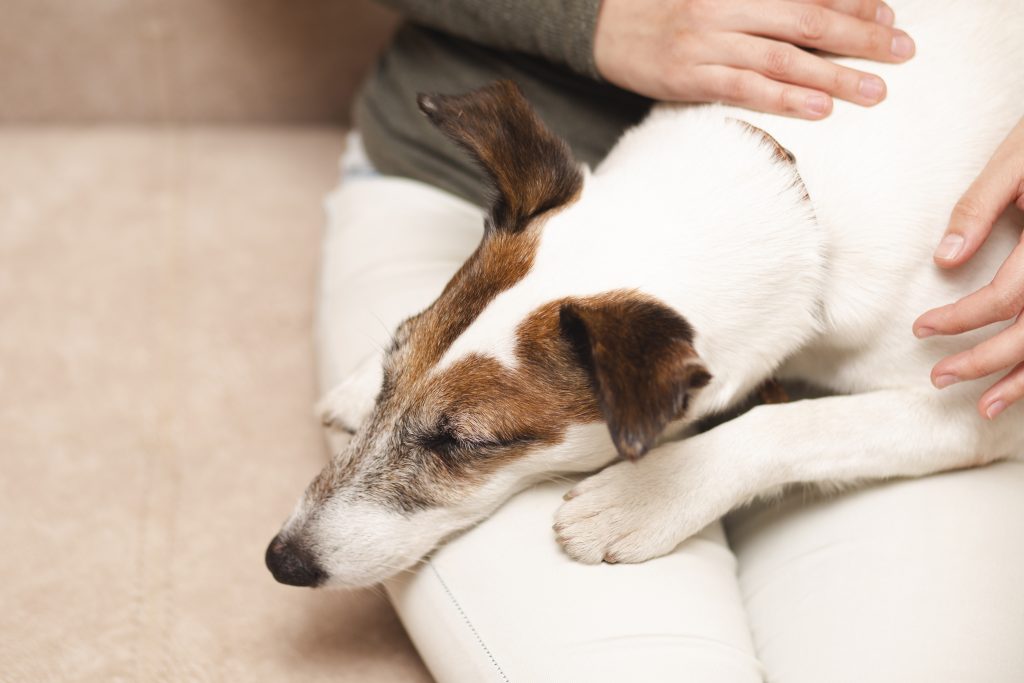
What Is Vestibular Disease in Dogs? Vestibular disease in dogs refers to a disorder affecting the vestibular system, which includes parts of the inner ear and brain responsible for balance and spatial orientation. When this system is disrupted, dogs may develop sudden balance problems, incoordination, head tilt, or abnormal eye movements. Some dog breeds are considered to be more prone to developing vestibular disease than others due to genetic or anatomical reasons, such as German shepherds and Doberman pinschers. While this condition is commonly associated with older dogs, younger dogs can also suffer from vestibular disease. In general, there are two types of vestibular diseases: Peripheral vestibular disease in dogs Peripheral vestibular disease involves the inner ear or vestibular nerve. Dogs may show signs such as a head tilt, loss of balance, circling, nausea, and involuntary eye movements (nystagmus). Mental awareness and limb strength are usually unaffected. Common causes include inner or middle ear infections, trauma, ototoxic drugs, or age-related (idiopathic) vestibular disease. Central vestibular disease Central vestibular disease originates from the brainstem or cerebellum and is generally more serious. In addition to balance problems and head tilt, dogs may show abnormal mentation, weakness or incoordination in the limbs, postural reaction deficits, or cranial nerve abnormalities. Causes of this type of vestibular disease include inflammatory disease, stroke, tumors, or other neurological conditions. Symptoms The most common symptoms of vestibular disease in dogs include sudden loss of balance, disorientation, head tilt, and irregular, jerking eye movements, also known as nystagmus. Many dogs will become reluctant to stand or walk and lean or fall in the direction that their head is tilted. Causes Causes of vestibular disease in dogs include middle ear or inner ear infections, trauma or injury, ear tumours or polyps, and hypothyroidism. In some cases, medications such as aminoglycoside antibiotics can also cause vestibular disease. Treatments The treatment approaches for vestibular disease are determined based on the underlying cause and the severity of the symptoms. They may include: Nursing care at home For milder cases, dogs will typically only need nursing care at home, including assistance to get up, walk, urinate, and defecate. They may also need help with eating, drinking, and keeping themselves clean. Providing a comfortable place to rest, along with easy access to water and food, can help your dog carry out its regular activities with less difficulty. Since vestibular disease affects their balance, it is also beneficial to keep your dog’s surroundings clear of obstacles and block off the stairs to keep them safe. Placing a towel under the dog’s abdomen can also help prevent falling. Anti-nausea medication For dogs that suffer from nausea, vomiting, or loss of balance, anti-nausea medication may be prescribed to decrease vomiting and help with motion sickness. While this may help reduce symptoms, treatment of the underlying condition is also required. Oral and topical medication Oral antibiotics may also be prescribed for bacterial infections in the middle or inner ear that cause vestibular disease. Additionally, topical skin care may be used to prevent urine scald, bed sores, and skin infections, especially for dogs that have difficulty urinating and defecating normally due to the disease. Although corticosteroids have been used in the past, there is little scientific evidence to their effectiveness in relieving vestibular disease symptoms, and they are generally not recommended. IV fluids and sedatives For more severe cases, intravenous fluids and hospitalisation may be required until the dog can eat and walk independently. Physical therapy (Canine Rehabilitation) If your dog is healthy enough and has no active infection or inflammation, physical therapy (canine rehabilitation) may also be recommended as part of their treatment for vestibular disease. The therapy includes exercises that help your dog slowly get used to standing, walking and moving normally again. Schedule a consultation with a rehabilitation veterinarian or rehabilitation therapist if you are unsure if your dog is suitable for exercises. Acupuncture Acupuncture can be useful as a complementary therapy to help alleviate the symptoms of vestibular disease. Geriatric peripheral vestibular syndrome, or vestibular disease that happens in older dogs, as well as idiopathic cases or those with no clear causes, may benefit from acupuncture. The success of treatment depends on the extent of the disease. Recovery Although vestibular disease may be concerning to dog owners, many dogs can continue to live a long and normal life after suffering from the disease. Identifying the root cause of the disease, such as an ear infection, can help identify a faster treatment. Most dogs can start to return to their normal activities in a few weeks, but this may vary depending on the condition. However, for more severe cases, dogs may require supportive care at the hospital until they can eat and walk normally. Some dogs with severe vestibular disease may also be left with residual effects, such as a permanent head tilt, even after the acute signs have improved. Get Your Dog’s Vestibular Disease Treated Today While vestibular disease in dogs may cause discomfort or motion sickness, most cases are not life-threatening and can improve over time. By getting professional assistance from a trusted veterinarian, you can help your dog alleviate its symptoms and get back to its normal activities. Moreover, canine rehabilitation and acupuncture may also be an alternative solution or an adjunct for integrative approaches to address vestibular disease or syndrome. If you are looking for dog acupuncture and rehabilitation in Singapore, Bluewater Vet Acupuncture & Rehabilitation is happy to help! We provide professional services tailored to support your dog’s well-being based on their unique conditions. Feel free to reach out to us for further support or discussion!
ACL Injuries in Dogs: Symptoms and Available Treatment Options

What is an ACL/CCL Injury? In humans, the anterior cruciate ligament (ACL) is one of four ligaments that connect the thigh bone (femur) to the shinbone (tibia) and stabilise the knee, preventing excessive bending or rotation of the knee. For dogs, the equivalent of the ACL is the cranial cruciate ligament, or CCL, which connects your dog’s femur to the tibia. CCL injuries are among the most common orthopaedic issues affecting dogs. It may occur gradually due to various factors that cause incremental damage to the ligament, or suddenly when the ligament is acutely torn or ruptured during activities. Some dog breeds may be at higher risk of CCL injuries than others, warranting frequent check-ups to maintain their well-being. What Causes a CCL Injury? There are two primary causes of CCL injury: gradual degeneration of the CCL itself or trauma due to a fall, accident, or other injury. Degeneration Age-related wear and tear can cause micro-tears in the CCL, which accumulate over time and may progress to a complete CCL tear. There are also degenerative conditions, such as arthritis, that may silently accelerate this gradual wear and tear. As a result, it can adversely affect your dog’s walking gait, limb flexibility, and overall stability over time, with a risk of ligament rupture if left untreated. Injury Trauma can come from significant force exerted on your dog’s legs as they jump, run, or fall, which can strain their knee joint and the surrounding ligaments. There is a risk that the CCL could rupture under such stress, resulting in lameness, limb weakness, and other complications. Weight Large breeds (such as Labradors and Rottweilers) may be at risk of CCL injuries due to the extra weight, which places constant pressure on their joints. Poor weight management can also pose a problem, as it contributes to obesity and further increases the risk of higher strain placed on your dog’s joints. Over time, this pressure can wear down the joints and weaken the ligaments, ultimately leading to rupture. Symptoms of Paralysis in Dogs If your dog has a CCL injury, you may notice the following signs and symptoms: Sudden limping or lameness in the hind limb(s) Swelling around the knee Stiffness, especially after resting Clicking or cracking noises while your dog walks Abnormal sitting position Loss of interest in their favourite activities Some dogs with CCL injury may not exhibit any concerning signs until the CCL suddenly tears or ruptures. It is always recommended to see a veterinarian immediately if you are worried about your dog’s condition. Diagnosing a CCL Injury When you take your dog to see a vet, the vet will perform a physical exam and ask questions about your dog’s current condition, preferred activities, and other relevant queries to help them make an accurate diagnosis. The vet may need to manipulate the affected limb to determine if there is any laxity or instability in your dog’s knee joint. Imaging tests may also be performed to allow the vet to determine the extent of the CCL injury and whether nearby structures require treatment. If necessary, a magnetic resonance imaging (MRI) scan may help visualise ligaments, bones, and other tissues around the knee joint, providing the vet with a clearer view to confirm their diagnosis. Treating a CCL Injury Your dog’s treatment plan will depend on the cause of the CCL injury, and your vet will outline what you can expect from the treatment. The primary aim is to restore the knee joint’s stability and function through either nonsurgical or surgical procedures. Your dog will be closely monitored to ensure their comfort and well-being are carefully maintained. Medications Your dog may be given various medications to support their recovery and minimise symptoms. Anti-inflammatories and pain relievers are common prescriptions to help ease your dog’s pain and discomfort. Acupuncture Acupuncture involves inserting thin, sterile needles into specific points on a pet’s body. Performed by a qualified, licensed veterinarian, acupuncture sessions aim to provide pain relief and keep your dog calm and relaxed, ensuring their recovery progresses with minimal difficulty. This treatment is sometimes employed as a complementary therapy to support other treatment methods. Knee Brace A knee brace is a support device that helps stabilise the knee joint and support the CCL’s gradual recovery, alongside other treatment procedures (if applicable). It limits the knee’s flexion and extension, restricting mobility to facilitate the ligament’s gradual healing. Canine Rehabilitation Canine rehabilitation can support your dog’s gradual recovery by managing symptoms, slowing the progression of the injury, and enhancing your dog’s overall strength. Your veterinarian will recommend modalities and gentle exercises tailored to your dog’s current condition and make gradual adjustments as your dog’s CCL heals. Hydrotherapy Hydrotherapy sessions aim to provide a low-impact environment that supports your dog’s muscle and joint strength and flexibility, thereby reducing the strain on the CCL. Whether hydrotherapy is suitable for your dog’s recovery will depend on their current condition. The intensity and types of hydrotherapy exercises will be tailored according to your dog’s progress to ensure steady, sustainable improvement in managing symptoms related to the CCL injury. Surgery For more severe cases, surgery may be considered, or when nonsurgical therapies are unable to treat the CCL injury. Depending on your dog’s condition, the vet may opt to perform a surgical replacement using an artificial implant or to remove the tibial plateau (weight-bearing bone) and rotate it to help stabilise the knee joint. Your veterinarian will provide the relevant information you need to make an informed decision about the surgical treatment your dog requires. CCL injuries can gradually impact your dog’s overall quality of life without you realising it. Contact Bluewater Vet Acupuncture & Rehabilitation today to schedule regular health assessments for your dog and stay on top of their well-being.
Paralysis in Dogs: Causes, Treatments, and How to Care for Your Pet

What is Paralysis in Dogs? Paralysis refers to the loss of function in specific body regions or limbs, resulting in the inability to move one or more limbs. It is a condition that can affect both humans and dogs, often resulting from disruptions in nerve function and communication between the brain, spinal cord, and muscles. It can be concerning when your dog suddenly loses its ability to move around, especially if they seem to be in excellent health just the day before. A dog may be partially or fully paralysed, depending on the root cause and severity of their condition. It may also affect only their front legs, only their hind legs, only the limbs on one side of the body, or all four legs. If your dog appears to be walking unnaturally or if you suspect they may have paralysis, seek veterinary attention immediately for prompt treatment. What Causes Paralysis in Dogs? Several factors can cause paralysis in dogs. Injury or Trauma An injury or trauma to the spine or spinal cord could lead to temporary or lasting paralysis. While mild cases may take some time to heal naturally, more extensive damage will require prompt medical intervention to be resolved. Other injuries could also affect the nerves in different parts of your dog’s body. Fractures or dislocations can be particularly concerning, so visit a veterinarian immediately if you suspect your dog has been injured. Intervertebral Disc Disease (IVDD) IVDD is a degenerative condition that gradually causes the intervertebral discs (which support the spine) to lose their spongy nature and weaken. The disc’s material can potentially slip or leak out and impinge on nearby nerves or the spinal cord, which could then cause pain and paralysis. Tick Bites Some tick bites may inject a neurotoxin into your dog’s bloodstream, which may gradually cause a loss of coordination and then paralysis. Urgent medical treatment is necessary to treat this sudden case of paralysis. Degenerative Myelopathy This hereditary condition causes a slow, non-painful destruction of the nerves in the spinal cord. It results in weakness in your dog’s hind limbs and can be difficult for them to get up on their own. It may then progress into paralysis if left untreated. Fibrocartilaginous Embolism (FCE) Also known as a spinal stroke, an FCE occurs as a result of a blockage in a spinal artery that obstructs blood flow to the spinal cord. The blockage may result from a broken piece of an intervertebral disc. Spinal Tumours Cancerous or non-cancerous tumours may grow anywhere on the nerves or the spinal cord. Not only can this cause a loss of sensation in the affected limbs, but it can also gradually lead to paralysis. Symptoms of Paralysis in Dogs Symptoms of paralysis may differ depending on the root cause, but signs that you may see in your dog include: Difficulty or inability to move some or all four limbs Difficulty or inability to flex joints of affected limbs Dragging of paws Stiffness in the affected limbs Occasional limping or tripping Gradual weakness in the limbs or other body parts Unusual gait when walking Loss of muscle mass General weakness Incontinence Difficulty or unwillingness to run or jump Other behavioural changes Diagnosing Paralysis in Dogs If your dog is exhibiting signs of paralysis, take them to a veterinarian immediately. The vet will conduct a physical exam to assess your dog’s condition, which may include evaluating their neurologic reflexes by testing their limbs and assessing their normal pain response (or the lack thereof). Be sure to provide as much information as possible about your dog’s health to help the vet better understand the condition. Additional blood and imaging tests may also be performed if necessary to confirm the diagnosis. These tests may help detect inflammation, infection, or other underlying causes that may have contributed to your dog’s paralysis. Electrical nerve stimulation may also be used to help locate nerve injuries and assess their condition, facilitating a suitable treatment plan. Treating Paralysis in Dogs Once a diagnosis is made, treatment for your dog’s paralysis may begin. Your vet will inform you of what to expect, as treatment will depend on the root cause of your dog’s condition. The primary aim will be to support nerve regeneration gradually and maintain your dog’s comfort, supporting gradual recovery through targeted treatments based on the cause of their paralysis. Medications Your dog may be given various medications to support their recovery and minimise symptoms. If spinal cord or nerve swelling is detected or suspected, anti-inflammatory medication will be prescribed. If pain management is necessary, pain relievers will be administered to ensure your dog’s comfort. Acupuncture Acupuncture involves inserting thin, sterile needles into specific points on a pet’s body. Performed by a qualified and licensed veterinarian, acupuncture sessions aim to provide pain relief and support gradual healing. Acupuncture sessions may also help keep your dog calm and relaxed, supporting their recovery and ensuring their physical and emotional well-being. Canine Rehabilitation Like human physiotherapy, canine rehabilitation aims to improve your dog’s motor functions through preventive care techniques. Sessions are usually scheduled alongside ongoing treatments to support your dog’s well-being, helping manage pain and enhance fitness. Your veterinarian will recommend exercises tailored to your dog’s current condition and make gradual adjustments as your dog’s health improves. Electric Stimulation Therapy A type of rehabilitation modality, this treatment delivers low levels of controlled electric currents to stimulate nerves, strengthen muscles and help alleviate other symptoms. It may also help to improve your dog’s quality of life and keep them comfortable, including reducing stiffness and improving mobility. Lifestyle Modifications Your dog requires sufficient cage rest and minimal daily activities to ensure their recovery can progress with little to no complications. You may need to shorten walks to prevent your dog from jumping or running and minimise pain. Surgery For more severe cases, surgery may be considered or when nonsurgical therapies have difficulty resolving your dog’s symptoms. Surgical procedures aim to address the root cause of your dog’s paralysis,
Pinched Nerves in Dogs: Signs, Symptoms and Treatment Options

What are Pinched Nerves? Dogs are susceptible to pinched nerves, much like humans, when pressure or compression is applied to a nearby nerve or the spinal cord. It may occur due to injury, gradual ageing, or abnormal degeneration, leading to pain, discomfort, and numbness. If left untreated, it can gradually impact your dog’s daily activities and quality of life, as they may move less to minimise the pain and discomfort of a pinched nerve. Symptoms of Pinched Nerves If your dog has a pinched nerve, they may exhibit any of the following symptoms: Frequently fidgeting or twisting their body Unexpected behavioural changes (such as snarling when you try to pet them) Sudden limping or unusual gait Limb dragging Lifting or holding one limb up Pronounced stiffness in the back or affected limb Difficulties when crouching Difficulties when urinating Yelping or indirect signs of pain If you are worried that your dog may have a pinched nerve, see a veterinarian immediately. The sooner a vet can diagnose your dog’s condition, the sooner they can receive prompt treatment. What Causes Pinched Nerves in Dogs? A pinched nerve in your dog may result from any of the following causes: Spinal Injury A fall, accident, or other injury to your dog’s spine can cause a pinched nerve. Physical harm may cause initial damage to the spine and spinal cord, but may also increase the risk of complications due to bleeding, swelling, and tissue damage. Loose bone fragments or bone spurs that grow after an injury and press against the nerves or spinal cord may also contribute to pinched nerves. Prompt treatment is necessary to reduce the risk of further complications that could impact your dog’s well-being. Intervertebral Disc Disease (IVDD) Considered the most common cause of pinched nerves in dogs, IVDD can affect any breed, but is more common in short-legged breeds such as dachshunds and beagles. It is a degenerative spinal disc condition that can develop in susceptible breeds at various ages. It may also be exacerbated by factors such as excess weight and a family history of IVDD. IVDD may be categorised into two types. Hansen Type I: A sudden disc rupture causing acute spinal cord compression, which is common in chondrodystrophic breeds (e.g., Dachshunds). Hansen Type II: The outer part of the disc gradually degenerates and bulges over time, causing progressive pressure on the spinal cord or nerves. This is common in older dogs, and signs develop progressively. Fibrocartilaginous Embolism (FCE) An FCE is a blockage that forms in the blood vessels due to a small piece of fibrocartilage. This may cause signs similar to a pinched nerve. It typically affects adult dogs and may result in sudden limb weakness or paralysis, and one limb or one side of the body may be more affected. Spinal Tumours Spinal tumours are relatively rare but may form due to cancer growing near or within the spinal cord. Tumours may develop anywhere along the spine and compress the spinal cord, which can gradually lead to paralysis in your dog’s legs. Diagnosing Pinched Nerves When you take your dog to the veterinarian, they will first conduct a physical exam to assess your dog’s physical condition. They may also ask additional questions about your dog’s general well-being and any previous symptoms or health complications to narrow down the diagnosis. An X-ray, CT scan, or MRI scan may be performed to determine the root cause of your dog’s pain and discomfort, which helps to rule out other conditions that present similar symptoms. Treating Pinched Nerves For mild cases of pinched nerves, conventional nonsurgical treatment may help relieve your dog’s symptoms. These include: Painkillers and anti-inflammatory medications These may provide short-term pain relief. Activity restrictions The aim is to minimise daily activities that could exacerbate a pinched nerve. This may include shorter walks and preventing your dog from jumping or running. Canine rehabilitation Sharing similar treatment philosophies as physiotherapy, canine rehabilitation aims to improve your dog’s motor functions through preventive care techniques. Sessions are focused on long-term pain management to enhance your dog’s fitness, support their gradual recovery, and reduce the risk of complications. Examples of rehabilitation modalities and therapeutic exercises include: Hydrotherapy: Hydrotherapy sessions involve gentle, low-impact exercises to strengthen and condition muscles, improve your dog’s balance and coordination, and manage pain and other symptoms. Warm water is used in hydrotherapy to stimulate nerve pathways and help your dog gradually regain its motor functions. Electric stimulation therapy: This treatment delivers low levels of controlled electric currents to stimulate nerves, muscles, or tissues. It provides pain relief, reduces stiffness, improves mobility, and alleviates other symptoms associated with pinched nerves. Acupuncture Acupuncture involves inserting thin, sterile needles into specific points on a pet’s body. Performed by a qualified and licensed veterinarian, acupuncture sessions aim to improve circulation, reduce pain, and promote healing. For severe cases, surgery may be considered if nonsurgical therapies are unable to resolve symptoms. Surgical procedures will attempt to remove pressure placed on the nerves or spinal cord to alleviate pain and discomfort. The surgical method chosen will depend on your dog’s condition. A pinched nerve can affect your dog’s quality of life if left untreated. Contact Bluewater Vet Acupuncture & Rehabilitation today to schedule a health assessment and discuss a suitable treatment plan for your dog’s well-being.
How to Tell If Your Dog Has a Slipped Disc (IVDD) and What to Do Next

What is a Slipped Disc? A slipped disc is a condition that affects the intervertebral discs, which are found between each of your dog’s vertebrae forming the spine. The discs function to absorb shock, protect your dog’s spinal cord, and support their mobility and flexibility. A slipped disc occurs when the disc gradually degenerates (due to natural ageing or other conditions). As a result, it can cause pain or discomfort when your dog moves. A slipped disc may occur due to intervertebral disc degeneration (IVDD), a gradual degenerative process in which the disc slowly loses its spongy nature and becomes hardened. Over time, it will bulge or rupture, causing its soft inner material (the nucleus) to leak out. The leak then places pressure on nearby nerves or the spinal cord, causing pain and various other neurological symptoms. How Slipped Discs are Graded The severity of IVDD is typically graded on a scale from 1 to 5. Grade 1: Your dog only experiences pain and discomfort without any significant neurological dysfunctions. Grade 2: Your dog may have some weakness in their limbs, but can still walk without needing support. Grade 3: Your dog cannot walk, but can still move its limbs to a certain degree. Grade 4: Your dog is paralysed but may still feel its toes. Grade 5: Your dog is paralysed and unable to feel its toes. IVDD grading does not have a linear progression. As such, your dog may exhibit symptoms of a grade 4 condition without experiencing any signs of earlier grades. Warning Signs of a Slipped Disc Promptly treating IVDD is necessary to prevent it from permanently impairing your dog’s overall mobility. It may help to look for early warning signs so that your dog can be taken to a vet for a thorough diagnosis before IVDD worsens. Behavioural Changes Lingering pain can cause subtle or noticeable behavioural changes in your dog. Some dogs may become more withdrawn as the pain prevents them from playing or going for walks. Other dogs may suddenly become more irritable and may overreact when you try to interact with them. However, these behavioural changes may stem from a slipped disc or a health complication, as some conditions may overlap in symptoms. If you suspect your dog has a slipped disc, take them to a vet immediately for an assessment. Touch Sensitivity IVDD may result in instances where pain intensifies when your dog applies pressure to the area, such as during grooming or normal play. If your dog flinches or backs away when you try to pet them, it may be because they want to avoid a flare-up of pain. They may even growl or snarl if you attempt to touch them, especially around the back or neck area, as a protective response to discomfort. Mobility Issues Your dog may also have difficulty moving around, as a slipped disc can cause pain and discomfort. As a result, you may notice them moving slowly or stiffly. In some cases, your dog may be unable to move its hind legs or drag its paws along because IVDD can affect its mobility and flexibility. This may also translate to difficulty standing and squatting, especially when your dog needs to relieve themselves. If your dog has difficulty moving around, take them to a vet immediately. Loss of Bladder Control Your dog’s spinal cord controls many functions, including bladder control. A slipped disc can impinge on the spinal cord, affecting your dog’s bladder control and increasing the risk of accidental leaks or difficulty relieving themselves. This difficulty stems from the inability to send and receive nerve impulses to and from the bladder. It is not your dog’s fault that this is happening, as the slipped disc makes it hard for your dog to control their bladder. What to Do Next Visit Your Veterinarian If you are worried that your dog may have IVDD, speak to a veterinarian immediately. Provide them with any information about your dog’s condition to help inform them of their diagnosis. The vet will conduct a physical examination and neurological tests to rule out other conditions. If necessary, imaging tests (such as CT scans or MRI scans) will also be performed to assess your dog’s spinal condition. Treating IVDD Once the diagnosis is confirmed, your vet will outline a suitable treatment plan for your dog’s slipped disc. For mild cases, conservative medical management should be sufficient and primarily involves: Prescriptions for painkillers and anti-inflammatories to manage pain and discomfort. Ensuring your dog gets enough rest. Managing your dog’s physical activities to minimise pain and discomfort. Physical therapy and/or acupuncture to support your dog’s gradual recovery. While helpful, conservative treatment may take time to show improvement. Even after recovery, these dogs may still be at risk of developing disc problems again, and surgical treatment may be required. If the slipped disc is severe or if conservative treatment does not alleviate symptoms, your vet will recommend surgery. Treatment will depend on the grade of the slipped disc and additional factors, including your dog’s general well-being. Conventional surgery may involve removing the disc’s nucleus that is pressing on nearby nerves or the spinal cord. If necessary, spinal decompression surgery may be performed instead, where a portion of the damaged or slipped disc is carefully removed to relieve pressure upon the nerves or spinal cord. Your dog will need to recover in the hospital for a few days until they are stable. Their recovery may require six to eight weeks of restricted activity to ensure their spine heals properly and reduce the risk of future complications. This means you should minimise strenuous physical activity to reduce strain on your dog’s spine. Follow-up veterinary sessions will also help to monitor your dog’s recovery progress. If you are worried that your dog may be exhibiting signs of a slipped disc, a professional physiotherapy assessment from Bluewater Vet Acupuncture & Rehabilitation can help evaluate your dog’s condition and recommend suitable treatments to facilitate their recovery. How Rehabilitation Therapy Can
Is It Safe to Walk a Dog with a Luxating Patella? How Rehabilitation Can Help

A luxating patella, sometimes known as a dislocated or loose kneecap, can be a cause for concern, given how it impairs your dog’s mobility. It can be discovered unexpectedly and lead to temporary or lasting lameness that can be discomforting or painful for your furry friend. It may seem odd to continue taking your dog for occasional walks despite their condition, but it is still possible if you keep a close eye on your dog during your walks. Signs of Luxating Patella in Your Dog Be on the lookout for any of these symptoms when you are with your dog, as they may indicate a luxating patella. Sudden limping while walking or running Weak or trembling hind legs while standing or moving Difficulty or inability to jump. Bow-legged hind legs Unexpected yelps of pain when moving around Cracking or popping noises when moving the knee Loss of interest in activities it typically enjoys While small breeds are at higher risk of a luxating patella, large breed dogs may also be affected. The condition is categorised into four grades based on severity, with grade IV being the most concerning, as it indicates that your dog’s patella is permanently displaced. The Importance of Walking Your Dog Regular physical activity is an essential part of any dog’s life. Not only does it help keep them active and engaged, but it also provides mental stimulation as they take in the sights, sounds, and smells of their surroundings. That can help minimise boredom, which can lead to problematic behaviours, while ensuring they can sleep well at night after a fruitful day of walking. Frequent walks also help to maintain a healthy weight, as sedentary dogs can easily gain weight that can place significant strain on their joints and limbs. That can potentially cause further complications and worsen their luxating patella. As such, regular walks are vital to allow your dog to maintain its flexibility and mobility while also gradually strengthening the muscles to minimise the severity of a luxating patella. Equally important is how walking can strengthen your bond with your dog, especially if your dog is constantly seeking your attention and affection. Walks provide plenty of opportunities to see new sights, meet new people and pets, play games, and have an all-around fun time together. There is nothing quite like a fulfilling afternoon spent with your dog. That said, you should be mindful of your dog’s condition and adjust your walks to its physical capabilities. A simple way would be to break down long walks into shorter sessions, ensuring your furry friend enjoys some light physical activity without overexerting itself. Consider these extra tips as well: Prioritise low-impact activities like leash walking and swimming Avoid high-impact activities like running and jumping, which can stress the affected kneecap Feed your dog a well-balanced diet to improve their well-being Ensure your dog has a comfy resting environment Give gentle massages to help improve blood circulation Consult your veterinarian if you need further advice or recommendations for appropriate physical activities for your dog. When Not to Walk a Dog with Luxating Patella There are instances where you should not take your dog for a walk. Acute cases can cause substantial pain and may result in significant discomfort and persistent lameness. In such instances, your dog will require ample rest, medical support, or both. Take note of the following behaviours your dog exhibits, as it may be telling you it is in pain. Constant limping Abnormal posture when walking or standing (e.g., lifting one leg) Avoids its favourite activities A luxating patella can lead to other complications, including arthritis, further reducing their quality of life. If your dog’s condition does not improve even with rest, speak to your veterinarian immediately. Rehabilitation therapy may provide the care your dog needs to manage their luxating patella effectively. How Rehabilitation Therapy Can Benefit Luxating Patella in Dogs Whether your dog requires surgery or otherwise, rehabilitation therapy can provide positive outcomes that help manage canine luxating patella cases, restoring flexibility and potentially slowing its progression. It aims to improve your dog’s strength, flexibility, mobility, and balance to manage the effects of luxating patella through various treatments and techniques. Therapeutic Exercises These exercises are tailored to enhance your dog’s general physical well-being, including their flexibility, balance, and coordination. Various exercise equipment are used to help develop your dog’s leg and core muscles, improving mobility, managing the effects of a luxating patella, and even encouraging its confidence by overcoming the limitations of its condition. The exercises are specifically designed to prevent your dog from overexerting itself while maximising the benefits of regular exercise sessions. Hydrotherapy Hydrotherapy involves low-impact water-based activities for rehabilitation. This method uses water’s unique properties, such as buoyancy and resistance, to promote a low-impact environment that helps strengthen your dog’s joints and muscles with minimal impact. These controlled sessions are conducted under the guidance of trained rehabilitation therapists, who ensure your pet’s safety and gently encourage exercise to enhance their overall strength and endurance. Electrotherapy Electrical stimulation therapies can be valuable for providing pain relief, reducing stiffness, and strengthening muscles. These treatments utilise low levels of controlled electric currents to stimulate nerves, muscles, and other tissues, interrupting pain signals for pain relief, as well as causing rhythmic muscle movements that facilitate their gradual strengthening. It can provide significant relief for your dog, allowing it to enjoy restored mobility over time. Acupuncture Acupuncture uses the principles of traditional Chinese medicine (TCM), where tiny, sterile needles are carefully placed on specific acupuncture points (acupoints) to promote the release of pain-relieving endorphins, stimulate nerve fibres, and even improve blood circulation to manage a luxating patella. It may be performed standalone or as a complementary therapy alongside other treatments by a qualified vet with the Certified Veterinary Acupuncturist (CVA) certification. At Bluewater Veterinary Services, we can help you and your dog manage a luxating patella with comprehensive rehabilitation therapy. Contact us via our website or WhatsApp to learn more!
Comfortable Walks: Tips for Walking a Dog with Hip Dysplasia

Hip dysplasia is a concerning physical condition that can be very discomforting for your dog. Not only does it cause mobility issues, but it also significantly reduces their quality of life and increases their risk of other complications. If your dog loves to walk with you, you will have to carefully manage your walking sessions to ensure your dog’s comfort and safety. Signs of Canine Hip Dysplasia Hip dysplasia is a degenerative condition where the hip joint is malformed, resulting in pain and discomfort when your dog moves around. Common symptoms include: Difficulty or inability to move around or stand up Reduced range of motion in the affected hip Limping or “bunny hopping” Unstable or hip-swaying gait when moving Loss of interest in physical activities Loss of muscle mass in the affected hip/thigh Hip stiffness after resting While hip dysplasia commonly affects larger dog breeds, it can also impact other smaller breeds. Hip dysplasia has no cure, but it can still be managed effectively. Why Your Dog Should Still Walk Regular physical activity remains necessary to prevent your dog’s muscles from weakening and maintain joint flexibility and strength. Not only does it help maintain a healthy weight alongside a well-balanced diet, but it also improves a dog’s physical well-being. A sedentary dog will slowly gain weight, which places additional pressure on the affected joint and causes further pain and discomfort. Keeping your dog active helps ensure it can better cope with its condition or even slow its progression. Here are some ways to help your dog stay active. Have Short Walks If you usually take your dog on a long walk, try breaking it into smaller walking sessions to prevent a flare-up of pain or discomfort. That way, you can ensure your dog gets some exercise each day without overexerting their hip. Start slow and take note of how your dog feels during these short walks. Adjust your walking schedule as needed based on your dog’s condition. Several 15-minute sessions a day are a reasonable duration, and you can adjust their frequency according to your dog’s condition or as advised by your veterinarian. Walk your dog on soft surfaces, such as grass and dirt, to minimise pressure on their joints. Consider using a leash for better control over your dog’s movements and to prevent it from making sudden movements that could cause injury. Restrict Certain Movements If your dog loves to run and jump, you will need to minimise these movements with positive reinforcement. Your dog will generally avoid these due to the discomfort it experiences, but habits can be difficult to break. The same applies to dogs that like to zoom around and quickly change directions as they go; these movements can also aggravate their condition. Patience is key in teaching them not to jump or run too much. Massage Before Walks Gentle massages can also benefit your dog before a walk. Massaging your dog’s hip joints can stimulate blood circulation and relieve pain. However, pay close attention to your dog’s reactions, as some massages can cause them discomfort instead. Be mindful of any sensitive areas around their hips and use slow, gentle strokes to stimulate the area around the joint. Low-Impact Games Dogs love to be entertained, so fun, low-impact activities can provide the stimulus they need to stay active. These games can encourage your dog to move and keep them engaged, not just physically, but mentally and emotionally as well. You can try simple counting activities, short-distance ball passes, and even ramp exercises. You can also take your dog swimming, as it helps gradually strengthen and condition your dog’s muscles and overall endurance, thanks to water’s unique properties. Home Modifications Hip dysplasia can gradually alter your dog’s gait and posture, placing extra pressure on their already weakened joints. Simple home modifications can help overcome this problem by adding traction on slippery surfaces. Rugs, doggie ramps, and other tools can be beneficial in this regard, allowing your dog to move freely while minimising pressure on their joints. An orthopaedic bed is also a valuable consideration, as it uses orthopaedic foam that distributes your dog’s weight across its entire body for much-needed pain relief. That can be vital to improve your dog’s sleep quality and minimise mobility issues. While it rests, add a blanket on particularly cold nights to minimise joint discomfort when they sleep. Hydrotherapy Hydrotherapy is a comprehensive treatment plan that utilises personalised water-based exercises to address your dog’s hip dysplasia. It provides your dog with low-impact muscle conditioning and strengthening exercises tailored to its current needs, improving joint stability and flexibility, as well as overall endurance. Trained hydrotherapists will be there to support your pet through these exercises, ensuring its safety and comfort. Underwater treadmill therapy is one form of hydrotherapy that provides a low-impact environment, helping your dog improve its mobility, strength, and overall physical health. The treadmill’s speed, depth, water resistance, and session length can be adjusted as needed to provide a comfortable workout that meets your dog’s treatment goals. Start Professional Dog Hydrotherapy in Singapore Today Are you interested in knowing more about canine underwater treadmill therapy? Contact Bluewater Veterinary Services today through our website or WhatsApp to learn more about our canine hydrotherapy services.
Conditions in Dogs That Would Benefit from Hydrotherapy

Canine hydrotherapy is known to support the physical well-being of dogs in many ways, allowing them to restore their mobility, flexibility, and confidence. But what kind of conditions can dog hydrotherapy help with, and how? How Does Canine Hydrotherapy Help? Canine hydrotherapy uses water’s unique properties to support your dog’s healing and recovery. Warm water (between 27 and 34°C) helps improve dogs’ blood circulation and relaxes their joints and muscles, giving them pain relief while improving their recovery rate. Meanwhile, water buoyancy reduces the weight and pressure of your dog’s body on its limbs, allowing them to move freely without straining the muscles and joints. Hydrostatic pressure also applies a compressive force to your dog’s body, limbs, and joints to gradually relieve pain, reduce swelling and improve circulation. Water’s viscosity provides resistance that helps build your dog’s strength and fitness. Conditions That Can Benefit From Canine Hydrotherapy Hip Dysplasia Canine hip dysplasia occurs due to a poorly developed hip joint and socket that causes friction and grinding, which wears down the cartilage. It is widely known as a hereditary condition that various factors, including poor nutrition, can exacerbate. Hip dysplasia can lead to reduced mobility, range of motion, and flexibility, causing significant discomfort. For mild to moderate cases of hip dysplasia, canine hydrotherapy can be valuable as it minimises the weight-bearing load on its hip joints, reducing pressure while facilitating smoother movements in water. Your dog can enjoy low-impact exercises that help strengthen its muscles with minimal discomfort while promoting joint lubrication and preventing stiffness. Water’s properties also relieve your dog’s pain as its muscles relax in warm water, ensuring smooth blood circulation and reduced swelling as water gently exerts pressure on the affected hip. Obesity A poor diet and lifestyle can cause various weight issues in your dog, including obesity, which can lead to potential health issues. Chief among these issues is the strain that the extra weight can put on your dog’s body, which can be detrimental in the long term. Moreover, obesity also increases your dog’s risk of other complications, such as diabetes and heart disease. With canine hydrotherapy, you can provide your dog with low-impact exercises that are gentle on its body and do not strain its joints, allowing it to stay active while being monitored by a professional hydrotherapist to support them. An underwater treadmill can offer a comfortable alternative to many land-based exercises that your dog can do with little difficulty, ensuring that your dog’s fitness can gradually improve over time and increase their stamina. Water resistance can make these exercises more effective at burning calories than performing them on land, ensuring your dog can gradually return to a healthy state. Luxating Patella A luxating patella (or a dislocated kneecap) occurs when your dog’s kneecap “pops out” of its normal position, causing pain and discomfort. Symptoms may include difficulty moving or jumping, limping, a reluctance to participate in activities, and cracking or popping noises when moving the knee. Hydrotherapy offers a safe, pain-free activity for your dog that is gentle on its joints. It allows your dog to minimise stress on the affected limb, slowly strengthen its muscles to improve support to the patella, and even gradually restore range of motion. The warm water also helps relax muscles, alleviate pain, and promote better circulation to further improve your dog’s mobility and flexibility while reducing the risk of lingering discomfort and other issues. Over time, your dog’s mobility can be gradually restored. Arthritis Arthritis is a degenerative condition that causes joint inflammation due to various factors, including age, joint wear and tear, and genetics. Your dog may have difficulty moving around or refuse to play with you. Because of the inflammation of the joints, hydrotherapy offers a pain-free way to allow your dog to exercise with low-impact activities that minimise discomfort and maximise comfort by being in warm water. They will steadily be able to restore their range of motion and mobility as the hydrotherapist prioritises specific areas to help strengthen muscles and other structures to support the affected joints. The gentle pressure of water also helps improve circulation, which enhances your dog’s recovery and reduces inflammation and pain over time. The gradual improvement can also have a positive effect on your dog’s mood. ACL/CCL Injuries Anterior cruciate ligament (ACL) or cranial cruciate ligament (CCL) injuries can cause significant pain in your dog due to a sprain or partial/complete tear of the CCL. It can occur when your dog runs, moves, or twists its limbs during any activity. The good news is that these injuries can improve with hydrotherapy. Hydrotherapy relies on controlled movements, especially when using an underwater treadmill, and reduced weight-bearing while in water to promote your dog’s movement with minimal discomfort while slowly promoting improved joint stability and healing without straining the CCL. Hydrotherapy also helps to restore your dog’s gait and stability, ensuring it can stand and move with less difficulty and improving its coordination. It is important to note that hydrotherapy is not suitable during the acute phase of a CCL rupture, as excessive movement can worsen the injury. A rehabilitation practitioner or veterinarian will first assess your dog to determine the appropriate rehabilitation programme. Postsurgical Recovery Dogs that have undergone musculoskeletal or spinal surgery can benefit significantly from regular canine hydrotherapy sessions. The recovery process can take time, and hydrotherapy has the potential to improve recovery outcomes by providing a low-impact environment that helps speed up a dog’s recovery without physically straining themselves. Hydrotherapy can help your dog gradually restore muscle strength and joint flexibility, allowing them to regain stability and mobility. Meanwhile, gentle hydrostatic pressure helps increase blood flow to the affected areas to boost their recovery, while water buoyancy encourages gentle muscle relaxation and alleviates any discomfort or inflammation post-surgery to ensure your dog has a pleasant recovery period. It should be noted that surgical wounds need to be closed before hydrotherapy can commence. Typically, this takes 10 to 14 days. Seek Professional Dog Hydrotherapy in
6 Common Pet Conditions That Can Benefit From Animal Physiotherapy
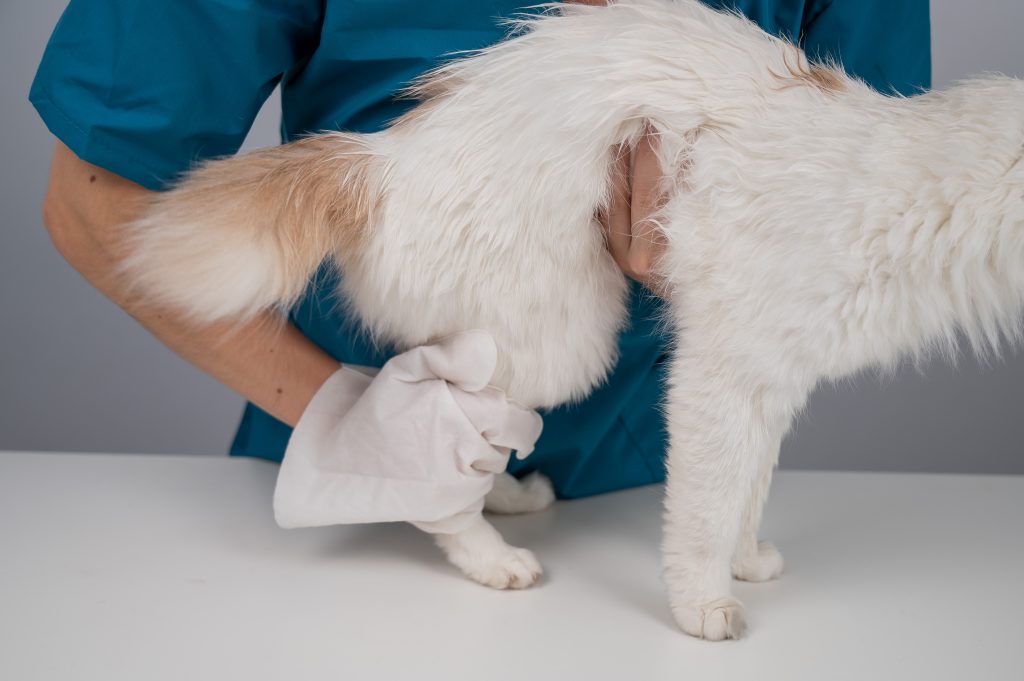
Animals are more similar to humans than we might think. Just like us, animals can suffer from many physical conditions that affect their comfort and quality of life. Mobility is every pet’s biggest health determinant. Pets who limp after a long walk, or have a difficult time getting up from a sitting position, experience pain just like we do. In veterinary care, animal physiotherapy plays a huge role. It involves using physical techniques to restore mobility, reduce pain, and improve overall physical well-being. Typically, animal physiotherapy is performed under veterinary guidance, focusing on pets that have injuries, chronic illnesses, or have undergone surgery. If your pet looks depressed or does not seem as energetic as they used to be, it is best to bring them for a check up at your regular vet. Here are 6 common conditions that will benefit from animal physiotherapy: 1. Neurological Disorders Some of the more serious reasons a pet might need physiotherapy are related to neurological disorders. These affect the brain, spinal cord, or nerves, and can cause symptoms like weakness, wobbliness, or even paralysis. Common conditions include intervertebral disc disease (IVDD), nerve injuries, and degenerative myelopathy. In these cases, physiotherapy focuses on rebuilding the connection between the brain or spinal cord and the body. Treatments may include balance exercises, neuromuscular stimulation, and guided movements that help the body relearn how to move. It’s often a slow journey, but every small improvement, like taking a few steps or standing up on their own, is a huge victory. 2. Soft Tissue and Muscle Sprains Not every injury is major. Sometimes, a pet pulls a muscle playing too hard or sprains something jumping off a couch. These are soft tissue injuries, and they are quite common. The good news is that most heal well with rest and the right therapy. Physiotherapy can include massage, gentle stretching, and targeted exercises to reduce pain and restore normal movement. Once your pet starts feeling better, therapy can shift toward injury prevention by improving strength, coordination, and flexibility. 3. Post Operative Rehabilitation Surgery, whether it’s orthopaedic or neurological, can be tough on a pet’s body. And while rest is important, it’s often not enough on its own. Most pets need some extra help to get back to feeling like themselves, especially when it comes to building up their strength, balance, and mobility. Surgeries like cruciate ligament repairs, hip surgeries, and spinal surgeries are pretty major, but the real recovery begins once your pet is back home and the stitches are out. Treatments like therapeutic land exercises can slowly ease the pain and reduce swelling. They include exercises that help the pet’s coordination, balance, flexibility and strength, improving its overall mobility. 4. Tendon and Ligament Issues You know how dogs love to zoom around, jump off furniture, or chase after tennis balls like their lives depend on it? It’s fun to watch–until something goes wrong. Tendon and ligament injuries are common in pets, especially in active dogs. One of the most frequent is a cranial cruciate ligament (CCL) tear, similar to an ACL tear in humans. Some pets may need surgery for this, while others might be treated with physiotherapy alone. Either way, rehab helps strengthen the muscles around the joint, improve flexibility, and restore function, all without putting too much pressure on the healing area. 5. Orthopedic & Joint Conditions Joint and bone issues are some of the most common reasons pets need physiotherapy. These conditions affect mobility and quality of life, especially in aging or large-breed dogs. Some key orthopedic and joint conditions include: Hip Dysplasia A condition often seen in large breeds like German Shepherds and Labradors. It affects the development of the hip joint and can worsen with age. While there’s no cure, physiotherapy helps by strengthening muscles around the hip, reducing joint stress, and easing discomfort. Curious to know more about causes, symptoms, and treatment of hip dysplasia in dogs? Check out our in-depth guide. Luxating Patella A condition where the kneecap dislocates from its normal position. It can cause limping or a skipping gait, especially in small-breed dogs. Physiotherapy can improve muscle strength and stabilise the joint. Discover our in-depth article on luxating patella in dogs, where we explain its underlying causes, telltale symptoms, and effective prevention strategies. Osteoarthritis Osteoarthritis is a common condition in older pets. This degenerative joint disease causes chronic pain and stiffness. While it cannot be cured, physiotherapy helps manage symptoms and maintain mobility through pain relief techniques and gentle exercise. For a deeper look at how arthritis is treated in dogs, including helpful therapies and tips, check out our complete guide. A Vital Step in Veterinary Healing Seeing your pet in discomfort or struggling to move can be heartbreaking. But with the right care and support, recovery is possible. Animal physiotherapy provides a safe and effective way to allow pets to overcome a wide range of conditions, including neurological disorders, soft tissue injuries, hip dysplasia, and more. If you notice any signs of stiffness, limping, or reluctance to move in your pet, don’t brush it off. A professional physiotherapy assessment from us could make a world of difference–not just in how they move, but in how they feel every day.