

What Is Vestibular Disease in Dogs?
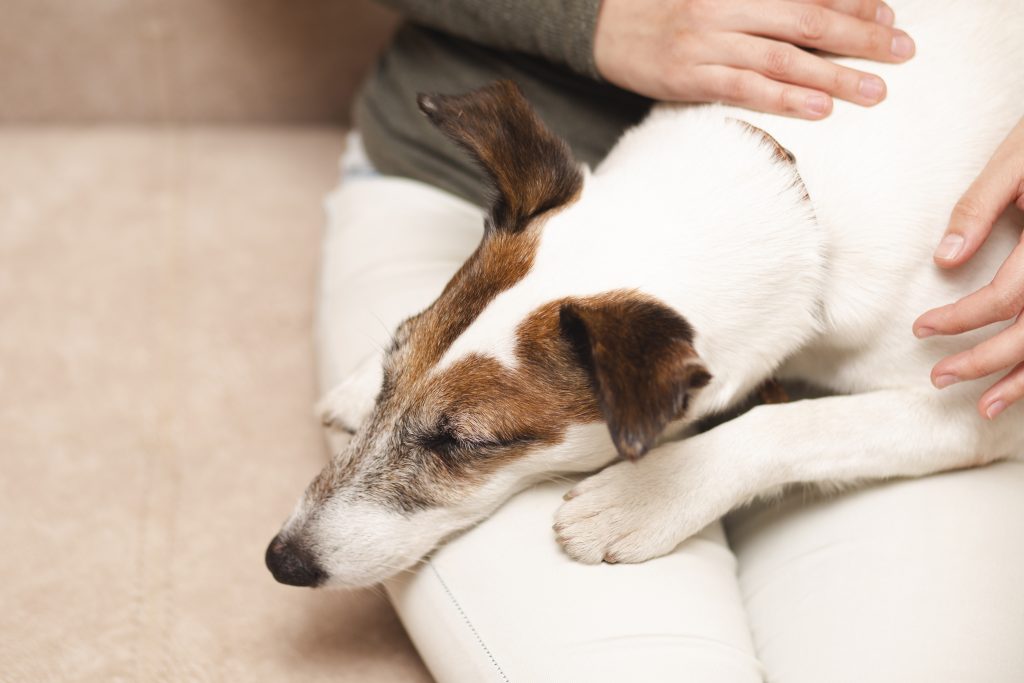
Vestibular disease in dogs refers to a disorder affecting the vestibular system, which includes parts of the inner ear and brain responsible for balance and spatial orientation. When this system is disrupted, dogs may develop sudden balance problems, incoordination, head tilt, or abnormal eye movements.
Some dog breeds are considered to be more prone to developing vestibular disease than others due to genetic or anatomical reasons, such as German shepherds and Doberman pinschers. While this condition is commonly associated with older dogs, younger dogs can also suffer from vestibular disease.
In general, there are two types of vestibular diseases:
Peripheral vestibular disease in dogs
Peripheral vestibular disease involves the inner ear or vestibular nerve. Dogs may show signs such as a head tilt, loss of balance, circling, nausea, and involuntary eye movements (nystagmus). Mental awareness and limb strength are usually unaffected. Common causes include inner or middle ear infections, trauma, ototoxic drugs, or age-related (idiopathic) vestibular disease.
Central vestibular disease
Central vestibular disease originates from the brainstem or cerebellum and is generally more serious. In addition to balance problems and head tilt, dogs may show abnormal mentation, weakness or incoordination in the limbs, postural reaction deficits, or cranial nerve abnormalities. Causes of this type of vestibular disease include inflammatory disease, stroke, tumors, or other neurological conditions.
Symptoms
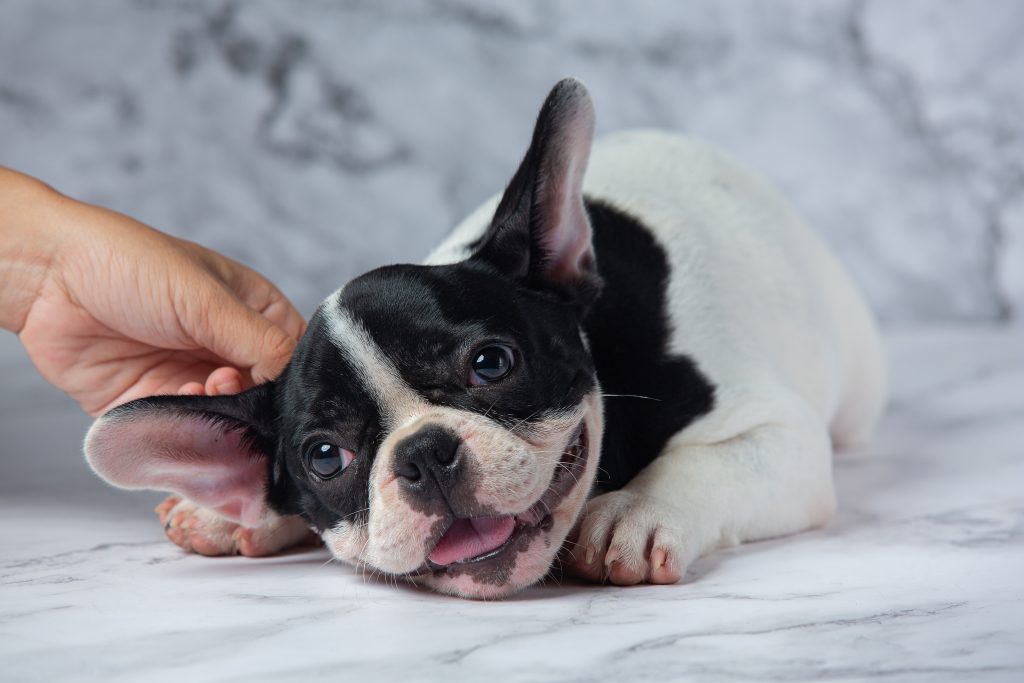
The most common symptoms of vestibular disease in dogs include sudden loss of balance, disorientation, head tilt, and irregular, jerking eye movements, also known as nystagmus. Many dogs will become reluctant to stand or walk and lean or fall in the direction that their head is tilted.
Causes
Causes of vestibular disease in dogs include middle ear or inner ear infections, trauma or injury, ear tumours or polyps, and hypothyroidism. In some cases, medications such as aminoglycoside antibiotics can also cause vestibular disease.
Treatments
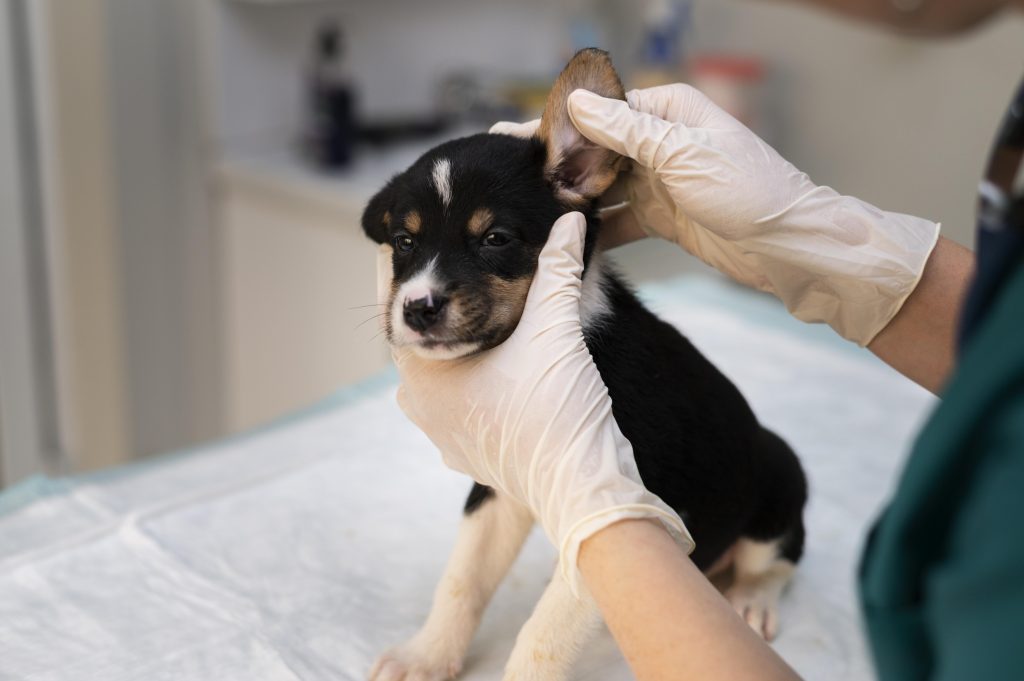
The treatment approaches for vestibular disease are determined based on the underlying cause and the severity of the symptoms. They may include:
Nursing care at home
For milder cases, dogs will typically only need nursing care at home, including assistance to get up, walk, urinate, and defecate. They may also need help with eating, drinking, and keeping themselves clean. Providing a comfortable place to rest, along with easy access to water and food, can help your dog carry out its regular activities with less difficulty. Since vestibular disease affects their balance, it is also beneficial to keep your dog’s surroundings clear of obstacles and block off the stairs to keep them safe. Placing a towel under the dog’s abdomen can also help prevent falling.
Anti-nausea medication
For dogs that suffer from nausea, vomiting, or loss of balance, anti-nausea medication may be prescribed to decrease vomiting and help with motion sickness. While this may help reduce symptoms, treatment of the underlying condition is also required.
Oral and topical medication
Oral antibiotics may also be prescribed for bacterial infections in the middle or inner ear that cause vestibular disease. Additionally, topical skin care may be used to prevent urine scald, bed sores, and skin infections, especially for dogs that have difficulty urinating and defecating normally due to the disease. Although corticosteroids have been used in the past, there is little scientific evidence to their effectiveness in relieving vestibular disease symptoms, and they are generally not recommended.
IV fluids and sedatives
For more severe cases, intravenous fluids and hospitalisation may be required until the dog can eat and walk independently.
Physical therapy (Canine Rehabilitation)
If your dog is healthy enough and has no active infection or inflammation, physical therapy (canine rehabilitation) may also be recommended as part of their treatment for vestibular disease. The therapy includes exercises that help your dog slowly get used to standing, walking and moving normally again. Schedule a consultation with a rehabilitation veterinarian or rehabilitation therapist if you are unsure if your dog is suitable for exercises.
Acupuncture
Acupuncture can be useful as a complementary therapy to help alleviate the symptoms of vestibular disease. Geriatric peripheral vestibular syndrome, or vestibular disease that happens in older dogs, as well as idiopathic cases or those with no clear causes, may benefit from acupuncture. The success of treatment depends on the extent of the disease.
Recovery
Although vestibular disease may be concerning to dog owners, many dogs can continue to live a long and normal life after suffering from the disease. Identifying the root cause of the disease, such as an ear infection, can help identify a faster treatment. Most dogs can start to return to their normal activities in a few weeks, but this may vary depending on the condition.
However, for more severe cases, dogs may require supportive care at the hospital until they can eat and walk normally. Some dogs with severe vestibular disease may also be left with residual effects, such as a permanent head tilt, even after the acute signs have improved.
Get Your Dog’s Vestibular Disease Treated Today
While vestibular disease in dogs may cause discomfort or motion sickness, most cases are not life-threatening and can improve over time. By getting professional assistance from a trusted veterinarian, you can help your dog alleviate its symptoms and get back to its normal activities. Moreover, canine rehabilitation and acupuncture may also be an alternative solution or an adjunct for integrative approaches to address vestibular disease or syndrome.
If you are looking for dog acupuncture and rehabilitation in Singapore, Bluewater Vet Acupuncture & Rehabilitation is happy to help! We provide professional services tailored to support your dog’s well-being based on their unique conditions. Feel free to reach out to us for further support or discussion!