

What are Muscle Spasms in Dogs?
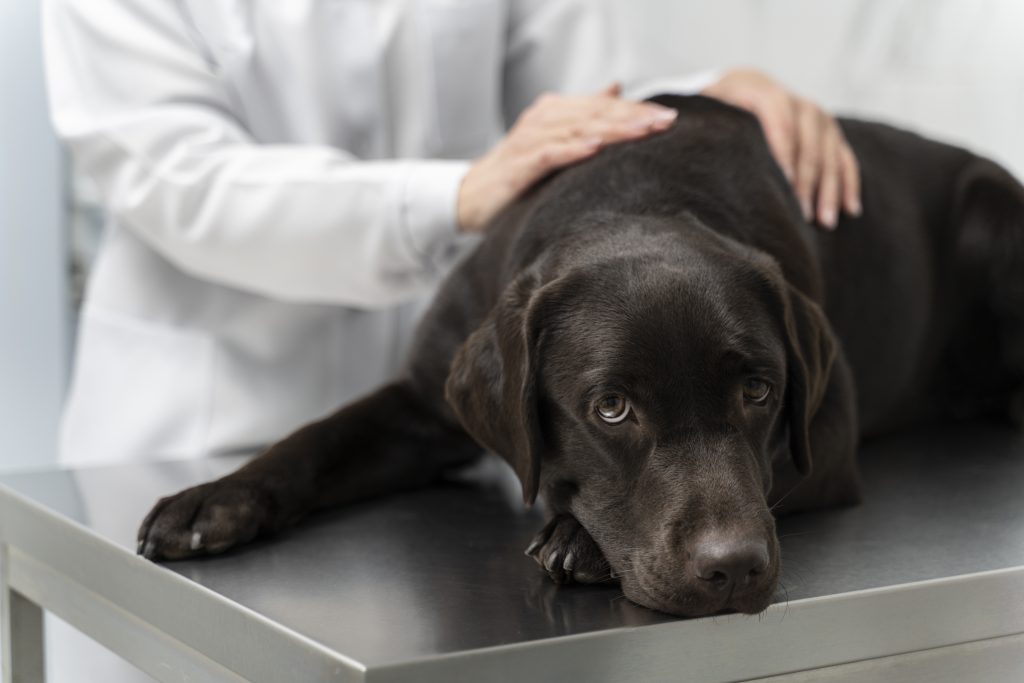
Muscle spasms in dogs are involuntary muscle contractions that may appear as sudden twitches, tremors, or shaking in a specific part of a dog’s body. These spasms may happen due to a number of reasons and are usually an indication that something else is happening in your dog’s body and requires attention.
In addition to twitching, dogs may exhibit changes in behaviour when experiencing muscle spasms, such as difficulties in walking, lethargy, or increased sensitivity in areas where spasms are occurring.
Symptoms
The symptoms of dog muscle spasms are mostly visible, such as:
- Mild to severe twitching or trembling
- Lameness as your dog avoids using the affected limb due to pain or discomfort
- Stiffness in affected muscles, resisting movement
- Vocalisation such as whimpering, whining, or even yelping in response to discomfort or pain
- Abnormal posture or arching their back
- Behavioural changes, including irritability or restlessness due to discomfort
- Reluctance to move or carry out any physical activity to minimise the pain
Causes
Muscle spasms can happen due to a variety of reasons, and identifying the root cause is essential to helping your dog recover and prevent future occurrences. Some of the most common causes of muscle spasms include:
Muscle strain or injury
Dogs can suffer from muscle strains from overexertion, sudden movements, or injury. Overexertion is more common in more active dog breeds. When this happens, the muscles can respond with involuntary spasms as a protective reaction to the injury.
Neurological disorders
Irritation or compression in nerves travelling through and around muscles can cause muscle spasms. Likewise, other conditions that affect the nervous system, such as nerve damage due to exposure to toxins, can also contribute to this condition.
Dehydration
After an intense period of physical activity, especially in hot weather, dogs can become dehydrated without enough water or rest. As muscles need water to contract properly, the lack of fluids, combined with electrolyte imbalances, can trigger muscle spasms.
Seizures
Seizures may be mistaken for muscle spasms. Generalised seizures typically happen throughout the whole body, but partial (focal) seizures may appear as localised twitching or limb jerking, making them harder to differentiate from muscle spasms without further assessment.
Age
Dogs of certain ages are more prone to experiencing spasms than others. Elderly dogs may be more likely to develop muscle spasms after intense activity due to muscle fatigue and a natural loss of muscle mass and strength.
Other conditions
Other conditions can also contribute to muscle spasms. This includes metabolic disorders like hyperthyroidism or hypothyroidism, as well as underlying medical conditions like myositis, myopathy, or neurological diseases.
Treatments
Hydration
In tropical countries like Singapore, where the temperature is mostly hot all year round, dogs may be more easily dehydrated, especially after strenuous activity. Ensuring your dog stays well-hydrated is one of the simplest steps to prevent and treat muscle spasms. Make sure your dog has easy access to plenty of fresh water, especially during hot days or after exercise.
Massage and stretching
Heat or cold therapy
If your dog is spasming due to recent injuries or swelling, you may use an ice pack as cold therapy to the affected area within the first 72 hours. Afterwards, you can switch to a warm compress to alleviate the pain, stiffness, or soreness by increasing blood flow and relaxing their muscles. Avoid applying heat to fresh injuries, and be sure to consult your veterinarian or canine rehabilitation therapist to guide you on proper application and ensure there are no other underlying issues.
Medications
Medications such as muscle relaxants or pain medication can help manage dog muscle spasms. Always consult a vet first before administering any medication to prevent worsening the condition.
Nutritional supplements
The deficiency of certain nutrients in your dog’s diet, such as vitamins, minerals, and electrolytes, can cause muscle spasms. Your vet can recommend suitable supplements that help support your dog’s muscular system and recovery.
Physical therapy (rehabilitation)
If your dog’s muscle spasms happen due to a chronic musculoskeletal condition or injury, physical therapy (rehabilitation) may be helpful. Targeted rehabilitation can improve movement patterns, reduce compensatory muscle overuse, and support long-term comfort and function.
Surgery
In more severe cases of muscle spasms caused by nerve damage or a more serious issue, your vet may recommend surgery to remove the affected nerve or repair the damaged area.
Acupuncture
Acupuncture can be helpful as a complementary therapy to your dog’s ongoing treatment or medication for muscle spasms. By placing acupuncture needles at certain points on your dog’s body, the blood flow to specific areas experiencing spasms may be improved, which may help with pain relief and muscle relaxation.
Get Your Dog’s Muscle Spasms Treated Today
Muscle spasms may cause pain and discomfort for your dog and hinder them from their daily activities. By getting professional assistance from a trusted veterinarian, you can help your dog alleviate its spasms and address the root cause. Dog acupuncture can also be a helpful alternative solution that helps relieve the pain.
Considering getting dog acupuncture and rehabilitation in Singapore? Bluewater Vet Acupuncture & Rehabilitation provides professional and trusted services to support your dog’s well-being. Feel free to reach out to us for further support or discussion!