

Arthritis in Dog Treatment

What is Arthritis in Dog? Also known as degenerative joint disease, arthritis in dog is a debilitating condition involving inflammation, pain and stiffness in your dog’s joints. Arthritis occurs when the cartilage that cushions the joints deteriorates, leading to friction between bones. This causes your dog to reduce or avoid any movement to minimise the pain and discomfort it feels. If your dog seems less enthusiastic about its routine walks or has trouble going up and down the stairs, those may be signs of arthritis. Its primary causes include genetics, age, breed, size, disease, physical injury, or joint overuse. When Does Arthritis Start in Dogs? A common misconception is that arthritis in dog only affects senior dogs. In reality, it can start at an early age due to various risk factors. For example, some dog breeds, including Labradors and German Shepherds, are more prone to developing arthritis due to genetic predisposition and joint structure. Meanwhile, lifestyle factors can also impact their risk level/ For example, overweight dogs are at higher risk of arthritis due to the additional pressure the excess weight exerts on their joints. As a dog owner, it’s important to watch for signs of arthritis, regardless of your dog’s age or breed. If your dog often seems reluctant to engage in their favourite physical activities, a veterinary check-up is recommended to assess their joint health. Arthritis Symptoms in Dogs Some symptoms of arthritis include: Limping Stiffness in the limbs. Difficulty getting up Reduced stamina Reluctance to move around or go up and down the stairs. Weaker limbs . Unprovoked behavioural changes. Signs of pain when touched in certain areas Arthritis in Dog Treatment Treating or managing arthritis will depend on your dog’s condition, but a multidisciplinary approach yields better results. Physiotherapy for Dogs with Arthritis Physiotherapy or canine rehabilitation uses a multifaceted approach to restore your dog’s mobility, joint function, and overall quality of life Techniques such as targeted exercises, hydrotherapy, massage, and range-of-motion movements can enhance flexibility and decrease stiffness. Modalities such as shockwave therapy, laser therapy and therapeutic ultrasound help to reduce inflammation and promote healing. Regular rehabilitation sessions, combined with customised home exercises, can slow the progression of arthritis and improve a dog’s overall quality of life. Acupuncture for Dogs with Arthritis Acupuncture can also be a valuable complementary therapy for your dog in managing arthritis. It can help alleviate pain and inflammation associated with the condition by stimulating specific acupoints that promote blood flow, reduce muscle tension, and encourage natural healing. It can also improve circulation to the affected joint(s), enhance the body’s pain-relieving mechanisms, and help the dog relax, significantly improving its well-being. Surgery for Dogs with Arthritis For more severe cases of arthritis in dog, surgery may be the best option for improving your dog’s comfort. Surgery is considered when conservative treatments no longer provide adequate relief. Common surgical options include joint replacement (such as total hip replacement), arthroscopy to remove damaged tissue, and joint fusion (arthrodesis) for very severe cases. These procedures can help reduce pain, restore mobility, and improve a dog’s quality of life. Post-surgical rehabilitation is essential for optimal recovery and long-term joint function. In older dogs, the risks of general anesthesia must be carefully evaluated when considering surgery. Aging dogs may have underlying health conditions, such as heart, kidney, or liver disease, which can increase the likelihood of complications. Medication for Dogs with Arthritis Medications can be beneficial in managing arthritis in dogs, helping to reduce pain and inflammation. NSAIDs are commonly prescribed for pain relief and to reduce swelling. Cartrophen (pentosan polysulphate), an injectable medication, helps protect and repair joint cartilage, while Librela can provide long-lasting pain relief by targeting pain pathways. It’s important to discuss with your vet the best treatment plan for your dog, as some medications may have side effects. Joint supplements like Antinol and Synoquin also support joint health, promoting cartilage repair and reducing inflammation. Your veterinarian can recommend the most suitable options based on your dog’s specific condition and needs. Managing Arthritis in Dog Arthritis may not be curable, but you can still take measures to prevent or manage it. Maintain a Healthy Weight: Excess weight strains the joints, increasing the risk of arthritis. A proper diet and regular exercise can reduce the load on your dog’s hips and prevent joint stress. Exercise Moderately: Regular, low-impact exercise like walking or swimming can strengthen your dog’s muscles and improve joint stability. Avoid high-impact activities like jumping or running on hard surfaces, which can stress developing joints. Use Nonslip Mats and Rugs: Place these around slippery areas to minimise your dog’s risk of slipping and injuring itself. Proper Nutrition: Feed your dog a balanced diet that supports joint health. Look for foods containing joint supplements like glucosamine and chondroitin, or consider adding supplements to their diet per your vet’s recommendation. Orthopaedic Bed: Orthopaedic beds offer optimal support for your dog, promoting restful sleep and making it easier for them to get up without struggling or losing balance. Early Detection: Regular vet check-ups can help identify early signs of arthritis. Early intervention with physical therapy or lifestyle adjustments can improve your dog’s quality of life and delay the progression of arthritis. Treat Your Dog’s Arthritis Today Early prevention is the key to preventing arthritis in dog. If you need further support or have other questions about this condition, the Bluewater Vet Acupuncture & Rehabilitation team is here to help! Contact us via our website or WhatsApp us anytime to learn more about how our professional services can maintain your dog’s well-being!
What is Canine Rehabilitation and Physiotherapy

Canine Rehabilitation and Physiotherapy Canine rehabilitation and physiotherapy use targeted treatments designed to improve the mobility, strength, and overall quality of life for dogs suffering from injuries, arthritis, or other musculoskeletal conditions. These therapies use a variety of techniques, including therapeutic exercises, hydrotherapy and laser treatment, to reduce pain, enhance recovery, and prevent further damage. Whether following surgery or managing a chronic condition like osteoarthritis, canine rehabilitation and physiotherapy play a crucial role in helping dogs regain their functional abilities and live more comfortable, active lives. Does my dog need rehabilitation and physiotherapy? Although canine rehabilitation will benefit all dogs regardless of their health, you may consider physiotherapy for your fur child if any of the following applies to them. Involved in an accident Had recent surgery Had a painful or movement-limiting injury Regularly participates in sports or competitive activities Has musculoskeletal-related issues (eg. arthritis, or patellar luxation) Has age-related weakness or conditions Has weight-related issues Has a neurological condition (eg. nerve or spinal conditions) What to Expect from Canine Rehabilitation and Physiotherapy Electrical Stimulation Therapy This therapy helps alleviate pain and boost muscle function by stimulating dogs’ nerves and muscles with a low-level electrical current. There are two types of electrical stimulation therapy, each with different functions. Transcutaneous electrical nerve stimulation (TENS) This form of electrical stimulation therapy cuts off the relay of pain from the targeted area to your pet’s brain by placing electrodes on their skin to send small electrical pulses to the nerves under their skin. This triggers the release of endorphins and other chemicals that provide pain relief. Neuromuscular electrical stimulation (NMES) For four-legged friends who have not used their muscles due to limited movement or paralysis, NMES helps to stimulate muscle contraction in the affected areas. The therapy encourages blood flow to the affected area to address muscular weakness and enhance muscle function. It also reduces muscle atrophy, joint contracture, oedema, or swelling. Extracorporeal Shockwave Therapy (ESWT) ESWT decreases inflammation and pain in dogs with musculoskeletal conditions by using high-energy soundwaves to penetrate the skin and reach deeper tissues. This helps to reduce inflammation and pain in dogs with musculoskeletal conditions. This therapy stimulates improved blood flow to the affected area, promoting healing and relieving discomfort. Class 4 Therapeutic Laser Class 4 laser therapy uses certain wavelengths of light to reduce inflammation, oedema, swelling, and pain. Different wavelengths, intensities, and applications of light energy have varying effects, and the Class 4 therapeutic laser stimulates tissue repair and expedites wound recovery. Therapeutic Ultrasound Therapeutic ultrasound uses inaudible, high-frequency soundwaves to deliver heat energy deep into your pet’s tissues through vibration. It is particularly beneficial for dogs with soft tissue injuries, promoting tissue repair by stimulating the gathering of healing cells. This therapy helps break down scar tissue, relaxes muscles, and increases blood flow to the affected area. As it aids in the restoration of soft tissues, therapeutic ultrasound can also reduce pain, swelling, inflammation, and scarring, improving overall recovery. Therapeutic Land Exercises Therapeutic land exercises are an essential element of canine physical therapy that introduces targeted activities to improve strength, dexterity, balance, and overall mobility. These exercises are conducted using equipment such as poles, cones, balls, boards, and more. Land exercises are personalised to target specific areas of weakness. Hydrotherapy Hydrotherapy features water-centric exercises like swimming and underwater treadmill therapy, offering structured, low-impact exercises for dogs. If your dog’s chronic orthopaedic disease or partial paralysis results in weakened muscles, water-based activities can improve their mobility issues. The resistance and hydrostatic pressure of water help build your furry friend’s muscles and improve their fitness while reducing swelling and pain. The buoyancy of water helps diminish the impact on your pet’s joints, and using warm water can help promote blood circulation. Additionally, the buoyancy of the water provides support, allowing dogs to stay upright while reducing the risk of falling. This therapy enables dogs to gain better control over their movements, improving weight-bearing capabilities, especially after surgery. Water-based rehabilitation enhances muscle strength, balance, joint range of motion, coordination, and cardiovascular fitness, promoting overall recovery and mobility. Benefits of Canine Rehabilitation and Physiotherapy Most canine rehabilitation and physiotherapy activities and exercises are minimally invasive and require no drugs. Helping alleviate and manage your pet’s chronic pain and conditions indirectly improves their quality of life, resulting in a happier and less stressed fur child. The following are some of the other benefits of canine physical therapy. Restores and enhances mobility: Canine rehabilitation aims to restore your dog’s ability to move comfortably by focusing on activities that improve joint range of motion, overall flexibility, and muscle strengthening. Weight and pain management: Additional weight can strain your dog’s joints and cause various issues. Canine rehabilitation and physiotherapy ensure your dog can safely shed excess weight to maintain overall well-being. Quicker recovery after injury or surgery: Surgeries take time to recover from, and canine rehabilitation and physiotherapy can encourage faster recovery times by promoting healing of surgical sites, preventing muscle atrophy, and slowly restoring mobility. Better cardiovascular health: Many techniques used in canine rehabilitation can also improve your dog’s blood circulation and reduce inflammation. Prevents future injuries: These therapeutic techniques ensure your dog is in peak physical health and minimise the risks or effects of future injuries. Booking an Appointment at Bluewater Vet Acupuncture & Rehabilitation When looking for rehabilitation and physiotherapy for your beloved pet, trained professionals are a non-negotiable factor. The Bluewater Vet Acupuncture & Rehabilitation team consists of a qualified and experienced team that has your dog’s best interests at heart. Get in touch with us today to find out more about what physical therapy best suits your pet. Latest Post Is It Safe to Walk a Dog with a Luxating Patella? How Rehabilitation Can Help A luxating patella, sometimes known as a dislocated or loose kneecap, can be a cause for concern, given how it… Read More Comfortable Walks: Tips for Walking a Dog with Hip Dysplasia Hip dysplasia is a concerning physical condition that can be
Guide on Home Euthanasia for Your Pet
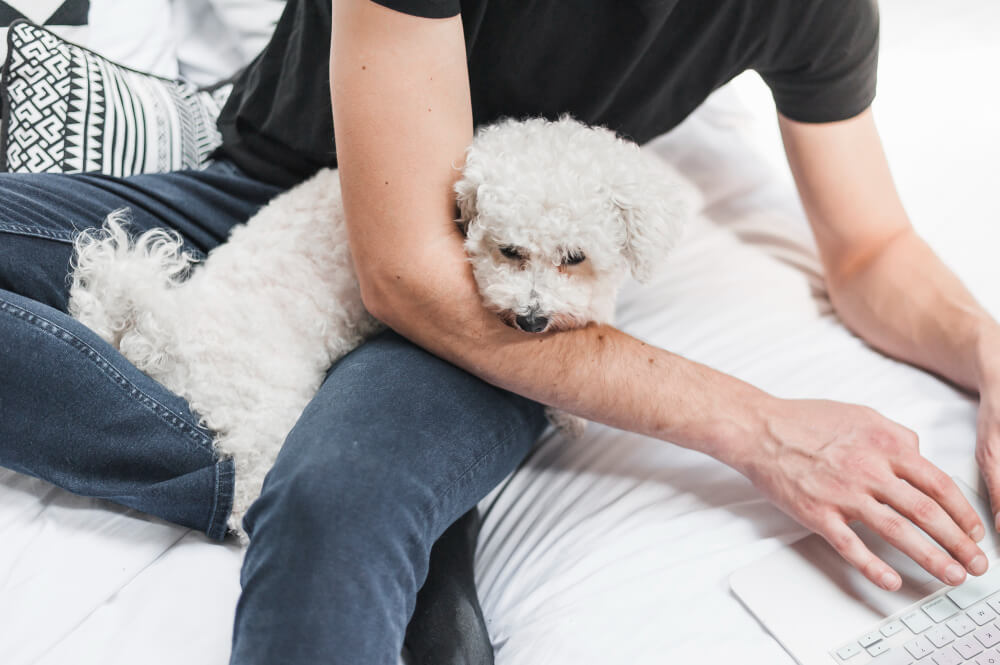
While pet euthanasia may appear difficult, it can often be one of the most compassionate choices you can make for your furry friends at the end of their lives. Humane euthanasia is a quick, painless way to put an end to your pet’s pain, allowing them to pass with dignity and comfort. If your beloved pet is suffering from a terminal condition or has a debilitating medical issue where little can be done to improve their quality of life, euthanasia may be a compassionate option to consider. Many illnesses develop gradually, which can result in your pet enduring prolonged pain and discomfort before succumbing to the disease. Opting for home euthanasia can allow your pet to pass on peacefully in a familiar, comfortable environment, sparing them fromprolonged pain and suffering. Home Euthanasia Most pet euthanasia takes place in a veterinary office, but home euthanasia is also an option. The process of home euthanasia involves the vet visiting your home, examining your pet, and provide sedation before administering a solution that allows your furry companion to pass peacefully in the comfort of their familiar surroundings. Benefits of Home Euthanasia Comfortable Environment The sterile veterinary office may seem intimidating to many pets, and there is often little privacy during such an emotional time, as other pet owners may be present. If your pet has a history of being fearful of veterinary visits, home euthanasia would be the ideal and most comfortable option for them. By choosing a familiar setting they are comfortable with, you are giving your cherished furry friend a more peaceful and dignified end-of-life experience. Home euthanasia allows you and your pet to be in a relaxed space, where both of you may be calmer and less anxious. You can say goodbye in your pet’s favourite spot, allowing you a comforting send-off. This intimate setting helps you grieve without the pressure of a crowded, clinical environment. Reduced Travel If your four-legged friend is already in significant pain and suffering, a trip to the veterinary’s office may add to their stress. Home euthanasia is an easier alternative for pets who may already have challenges with mobility. Moreover, making the trip home without your pet can be distressing. Hence, other than saving you time, home euthanasia will also help to cut down on the added turmoil that comes with the journey to and from the veterinary’s office. More Support Opting for home euthanasia means that you can invite friends and family for emotional support. A veterinary office may not be able to accommodate many people, but you can invite as many close ones as you would like to your abode. Other than giving them the opportunity to say goodbye to your pet, your loved ones will also be there for you in your time of need. If you have other pets at home, letting them be present for pet euthanasia can also be helpful. Your other pets can provide an extra layer of comfort and ease for your ailing pet; being present also helps with their healing and closure after losing their companion. What To Consider Setting While home euthanasia may be convenient and beneficial for those involved, you need to consider whether it will be suitable for you. For some, home euthanasia may be a more unpleasant alternative. If the thought of saying goodbye to your four-legged friend at home is too overwhelming, perhaps the veterinary office will be a better option. Timing Consult your vet to see if it is the right time for your pet to go. You do not want to prolong their suffering, neither do you want them to go before their time. Your vet would have helpful insight into your pet’s condition and advise you on the right time for them to pass on. Attendance Some may find it helpful to have many family and friends in attendance for such a harrowing time, but others may prefer to grieve alone. It is important to think about who you would like to present at your pet’s euthanasia. You may consider whether their presence will console or distress you and your pet. Although allowing your other pets to be present may be beneficial, they should not be forced to remain at the scene if they are showing distress, as animals grieve and process emotions in different ways. Aftercare You may consult with your vet on the options available for your pet’s remains, such as burial or cremation, and choose one which is most suitable for you. It is recommended to discuss these options with your vet ahead of the euthanasia. However, the grieving process does not end when you bury or cremate your pet. Saying goodbye to your beloved companion is a challenging task, but there are resources available to help you through this difficult time. Consider bereavement counselling or joining online pet loss support groups where you can talk about your feelings in a judgement-free zone. Dealing with the loss of your furry friend is painful, but you are not alone. Home Euthanasia for Your Pet While choosing euthanasia for your pet may be a difficult decision, we are here to help you through this challenging process right up until the aftercare/ From discussing when the right time is to helping you explore the different cremation options available, we are here to guide you and assist in making the best choices for your beloved companion. Here at Bluewater Vet Acupuncture & Rehabilitation team, we understand that you may wish to say goodbye to your loyal four-legged companion in familiar surroundings. With home euthanasia services available, reach out to us today for more information. You can discuss your thoughts and concerns with our experienced team, and we will gladly answer any queries you may have.
How Hip Dysplasia Affects Dogs: Symptoms, Causes, and Treatment

Canine hip dysplasia is a painful condition that affects dogs as they grow. It results in a poorly developed hip joint and socket, causing friction and grinding that causes the cartilage to wear out quickly. Medium and large-breed dogs are at high risk of this condition, though it can also affect small breeds. What Causes Hip Dysplasia in Dogs? Dogs have a ball-and-socket hip joint, similar to ours. The ball, located at the top of the thigh bone (or femur), fits into the socket in the pelvis, where ligaments and the joint capsule hold the joint together. Hip dysplasia occurs when the ball and socket do not grow at the same rate during puppyhood. This can cause the joint to become loose, which leads to early degenerative joint disease/osteoarthritis and pain. Hip dysplasia is widely known as a hereditary condition that can be magnified by factors such as poor nutrition and weight management, a lack of exercise, excessive growth rate, and environmental factors. Nutrition and weight, in particular, can play a substantial role in slowing down or exacerbating hip dysplasia. For example, a dog with obesity is more likely to suffer from hip dysplasia because the excess weight puts unnecessary strain on its joints. What are the Symptoms of Hip Dysplasia in Dogs? Common symptoms of hip dysplasia generally include: Difficulty or inability to move around or stand up. Reduced range of motion in the affected hip. Limping in the hind leg(s). Swaying of the hips when moving. A reluctance to make specific movements, such as climbing the stairs. Loss of muscle mass in the affected hip/thigh. Hip stiffness after resting. A “bunny hopping” gait Diagnosing Hip Dysplasia In some cases, a physical exam may be enough to diagnose the presence of hip dysplasia. During the exam, the veterinarian will carefully manipulate your dog’s hip to look for any looseness in the joint. They may order a blood test to follow up on the physical check and identify signs of inflammation. If needed, imaging scans like hip radiographs (X-rays) may be helpful in accurately determining the extent of damage or looking for other signs that suggest a different medical condition is causing your dog distress. An early diagnosis can help prevent long-term arthritis that significantly reduces your dog’s quality of life. Hip Dysplasia Treatment Treating or managing hip dysplasia depends on your dog’s condition but mainly focuses on a multidisciplinary approach for best results. For mild cases, prescription medications such as non-steroidal anti-inflammatory drugs (NSAIDs) can treat joint inflammation, while veterinary-approved supplements help promote better joint health. Acupuncture for Hip Dysplasia Acupuncture can also be a valuable complementary therapy for your dog in managing hip dysplasia. It can help alleviate pain and inflammation associated with hip dysplasia by stimulating specific acupoints that promote blood flow, reduce muscle tension, and encourage natural healing. It can also improve circulation to the affected joint, enhance the body’s pain-relieving mechanisms, and help the dog relax, contributing to better overall well-being. Rehabilitation Therapy for Hip Dysplasia This therapy helps to strengthen the muscles surrounding the hip joint and improve the stability of the loose joint. Techniques such as therapeutic exercises, hydrotherapy, and stretching can help stabilise the hip joint and prevent further joint deterioration. Rehab also supports better gait and posture, reducing pain and improving the dog’s quality of life. For more severe cases, surgery may lead to better outcomes. There are a few different types of surgical procedures available, such as: Total hip replacement, which replaces the entire joint with artificial implants to restore joint mobility and reduce pain. For dogs under 10 months of age, a triple pelvic osteotomy can help realign the hip joint, prevent the progression of hip dysplasia, and ensure that it develops naturally as the dog ages. Alternatively, some dogs may need a femoral head osteotomy, which involves removing the “ball” of the hip joint, thus reducing the dog’s discomfort. Over time, the surrounding soft tissues, including muscles and ligaments, adapt and form a new, functional “false” joint. Post-operative rehabilitation therapy is essential for achieving the best recovery outcomes. How Long Can a Dog Live with Hip Dysplasia? While hip dysplasia affects your dog’s mobility and quality of life, it does not affect its lifespan. As such, your dog can live a long, fruitful life if it gets the necessary medical support to help manage its condition. Long-term preventive care and management will ensure your dog can continue its favourite activities and enjoy its favourite meals without significantly impacting its life. Prevention of Hip Dysplasia in Dogs Preventing hip dysplasia in dogs may not always be possible as it is genetic. However, you can reduce the likelihood of your dog developing hip dysplasia by taking several proactive measures: Select a Responsible Breeder: If you are getting a dog from a breed known for hip dysplasia (such as German Shepherds, Labradors, or Golden Retrievers), choose a breeder who screens breeding dogs for hip dysplasia through X-rays and genetic testing. This helps reduce the likelihood of passing on the condition. Maintain a Healthy Weight: Excess weight strains the joints, increasing the risk of hip dysplasia. A proper diet and regular exercise can reduce the load on your dog’s hips and prevent joint stress. Exercise Moderately: Regular, low-impact exercise such as walking or swimming can strengthen the muscles around the hip joint and improve joint stability. Avoid high-impact activities like jumping or running on hard surfaces, as these can stress developing joints. Proper Nutrition: Feed your dog a balanced diet that supports joint health. Look for foods containing joint supplements like glucosamine and chondroitin, or consider adding supplements to their diet as your vet recommends. Early Detection: Regular vet check-ups can help detect early signs of hip dysplasia. Early intervention with physical therapy or lifestyle adjustments can improve the quality of life and delay the condition’s progression. If you need further support or have other questions, the Bluewater Vet Acupuncture & Rehabilitation team is here to help! Contact us via our
Dog Hydrotherapy: What Is It and How It Helps?

Splashing around in water can be fun for your dog, but did you know that water can also provide a unique avenue for improving a dog’s well-being and even assist in their recovery from various health conditions? This is the essence of dog or canine hydrotherapy, and in this article, we will cover everything you need to know! What is Dog Hydrotherapy? Dog or canine hydrotherapy involves using water to promote low-impact activity in dogs without straining their muscles and joints. It utilises water’s natural properties (buoyancy and resistance) to strengthen and condition a dog’s muscles and overall endurance. Buoyancy is the upward force exerted on your dog as it is immersed in water; this effect reduces the weight and pressure of your dog’s body on its limbs, allowing it to move freely without straining its muscles and joints. Meanwhile, water resistance will enable dogs to engage their muscles to improve their overall endurance. Dog hydrotherapy is typically included in a comprehensive treatment plan to help dogs gradually recover from injury or illness. It primarily focuses on walking or swimming in water with the assistance of an underwater treadmill. A trained hydrotherapist will be present to help your dog build up its physical strength while improving its confidence in water. Dog hydrotherapy allows your dog to enjoy gentle but vital muscle conditioning and strengthening exercises to restore overall mobility and range of motion. The Many Benefits of Dog Hydrotherapy Various case studies have found that dog hydrotherapy provides many long-term benefits, including: Welcome relief from aches, joint stiffness, pain, and swelling. Strengthening muscles and joints. Improving range of motion in joints and overall flexibility. Improving blood circulation which helps with overall recovery. Improving cardiovascular function. Gradually improve your dog’s stamina levels. Reducing muscle strains and injuries. Conditions Dog Hydrotherapy Can Treat Dog hydrotherapy can help in managing various conditions, including: Hip dysplasia. Luxating patella. Osteoarthritis (degenerative arthritis). Tendinitis (inflammation of the tendons). Spinal or neuromuscular disease. Post-surgery recovery. Support weight loss. How Does Dog Hydrotherapy Work? A vet will first assess your dog’s condition, especially if it has recently undergone surgery; it may take a few days or weeks before your dog can start hydrotherapy. It is essential to do so to prevent the risk of contamination of your dog’s healing wounds or interfere with its recovery. Hydrotherapy is typically conducted in a pool filled with warm water. Warm water (between 27 and 34°C) promotes dogs’ blood circulation and relaxes their joints and muscles, providing welcome pain relief and boosting their recovery rate. The pool size may be determined by the dog’s breed, size, physical condition, and other factors. Session length also may vary depending on your dog: senior dogs may need shorter sessions to avoid overstraining themselves. If your dog needs to use an underwater treadmill, its speed and depth will be carefully tailored around its current therapy needs. The attending hydrotherapists will adjust the water level and treadmill pace accordingly and continuously optimise therapy for your dog’s benefit. Some dogs may be scared of entering the water, so flotation devices will help keep them afloat and give them the confidence to swim. Over time, dogs will naturally become confident in swimming without these aids. Even so, a trained hydrotherapist will always be present to ensure your dog’s safety throughout the session. Safety Tips for Dog Hydrotherapy There are several essential safety tips to keep in mind at all times during hydrotherapy. Never forget to use flotation devices on your dog, especially if this is your dog’s first time swimming. Doing so can prevent the risk of drowning if your dog gets tired. If your dog cannot swim, take things slow and have a trained hydrotherapist on standby for safety. If your dog is reluctant to swim, avoid pressuring them to swim. You could end up hurting your dog or even yourself in the process. It is best to seek professional advice in such a scenario. Dogs with medical conditions will need additional supervision from a trained hydrotherapist to minimise the risk of unpleasant adverse conditions. Keep a close eye on your dog so you can look for signals that it is feeling stressed or tired. If this happens, stop hydrotherapy immediately. Your attention and care can improve your dog’s confidence and trust. Ensure you and your dog have fun together, along with your hydrotherapist, as it can help build your dog’s confidence in swimming. Seek Professional Dog Hydrotherapy in Singapore If you need further support or have other questions, the Bluewater Vet Acupuncture & Rehabilitation team is here to help! Contact us via our website or WhatsApp anytime for more information on canine hydrotherapy or our professional services tailored to maintain your dog’s well-being! Latest Post Is It Safe to Walk a Dog with a Luxating Patella? How Rehabilitation Can Help A luxating patella, sometimes known as a dislocated or loose kneecap, can be a cause for concern, given how it… Read More Comfortable Walks: Tips for Walking a Dog with Hip Dysplasia Hip dysplasia is a concerning physical condition that can be very discomforting for your dog. Not only does it cause… Read More Conditions in Dogs That Would Benefit from Hydrotherapy Canine hydrotherapy is known to support the physical well-being of dogs in many ways, allowing them to restore their mobility,… Read More 6 Common Pet Conditions That Can Benefit From Animal Physiotherapy Animals are more similar to humans than we might think. Just like us, animals can suffer from many physical conditions… Read More
Luxating Patella in Dogs: The Treatments, Symptoms and Causes

A luxating patella, or a dislocated knee in lay terms, is when your dog’s kneecap “pops out” of its normal position, causing pain and discomfort. If you notice your dog occasionally raises one of its hind legs and limps onward before running on all fours again like nothing happened, it might be a sign to take your dog to the vet for a checkup. What Causes Luxating Patella? Your dog’s kneecap (patella) is attached to the patellar ligament, which connects the thigh muscles to the shin bone (or tibia). Any time your dog moves its leg, the patellar ligament tugs on the shin bone to straighten the knee. When a luxating patella occurs, your dog’s kneecap shifts sideways (luxates) and moves away from its regular position at the front of its knee. That typically happens due to alignment issues throughout your dog’s skeletal growth; over time, it causes friction on the knee joint cartilage that gradually wears it down, making it easier for luxating patellapatellar luxation to occur and cause more complications. Luxating patellas only affect the hind legs and never the front legs. There are also four grades of luxating patella: Grade I: The patella can be manually luxated but spontaneously returns to its normal position; there is minimal discomfort. Grade II: The patella luxates spontaneously during movement but can return to its normal position manually or as the joint moves; there may also be some discomfort. Grade III: The patella is luxated most of the time but can be manually reduced (put back into place). However, it does not remain in the groove. Grade IV: The patella is permanently displaced and cannot be manually reduced, which can lead to severe pain. Many toy and small dog breeds, such as Chihuahuas, French poodles and Pomeranians, are at particular risk of luxating patellas; this condition can also be inherited due to genetics. The higher the grade, the higher your dog’s risk of developing long-term complications that require medical attention. It can also adversely affect their overall quality of life as they age. What are the Symptoms of Luxating Patella? The most common symptom is when your dog suddenly raises one of its hind legs, sometimes held close to their body, while walking or running. They may do this briefly before setting it down (after shaking or kicking the limb outwards) again and moving normally. Other symptoms include: Weak or trembling hind legs while standing or moving. Difficulty or inability to jump. Bow-legged hind legs. Unexpected yelps of pain when moving around. Cracking or popping noises when moving its knee. Symptoms can potentially worsen the higher the grade of the luxating patella, so it helps to be observant for early warning signs. Diagnosing Luxating Patella In most cases, a physical exam will be enough to diagnose the presence of a luxating patella. During the exam, the veterinarian will carefully manipulate your dog’s leg to look for signs of a luxating patella. If needed, imaging scans like X-rays and an MRI scan may be helpful in accurately determining the extent of damage or looking for other signs that suggest a different medical condition is causing your dog distress. Luxating Patella Treatments Available For mild, low-grade cases, patellar luxation can often be managed with nonsurgical treatments. The vet may prescribe medications for pain and inflammation relief, and joint supplements may also be beneficial. Acupuncture for Luxating Patella Acupuncture can be an effective way to manage patellar luxation. By targeting specific acupoints, acupuncture can reduce pain and inflammation while promoting relaxation. It enhances blood flow to the affected area and encourages tissue repair. Acupuncture can also help improve joint function and relieve muscle tension. Regular sessions often lead to reduced discomfort and improved mobility. Rehabilitation Therapy for Luxating Patella Rehabilitation therapy can also help by improving muscle strength, joint stability, and range of motion. Techniques such as therapeutic exercises, hydrotherapy, and stretching can help reduce stress on the affected knee, prevent muscle atrophy, and enhance overall mobility. Surgery for Luxating Patella Surgery is recommended for moderate to severe cases of patellar luxation, specifically Grades III and IV. Early surgical intervention can prevent further complications such as arthritis and improve the long-term quality of life for the affected dog. Patellar luxation surgery involves various techniques to realign the patella and stabilise its position. The specific procedure depends on the severity of the condition and any structural abnormalities contributing to the luxation. Comprehensive post-operative rehabilitation sessions can help your dog regain mobility and strength and are crucial for a successful recovery. This ensures your dog can overcome its current physical limits (within reason) and slowly regain its confidence in moving freely. Can You Prevent Luxating Patella? While it may not be possible to completely prevent luxating patella, especially if it has a genetic or congenital basis, there are steps you can take to reduce the risk or manage contributing factors: Maintain a Healthy Weight: Excess weight places additional stress on joints. Provide Joint Support: Include joint supplements like glucosamine, chondroitin, or omega-3 fatty acids in your dog’s diet to support cartilage health and joint function. Regular, low-impact exercise: This can strengthen muscles around the knee and improve joint stability. Avoid activities that involve sudden stops, jumps, or twists that could strain the knees. Choose a Responsible Breeder: If you’re getting a dog prone to patellar luxation (e.g., small breeds like Chihuahuas or Pomeranians), ensure the breeder screens for hereditary joint issues. If you need further support or have other questions, the Bluewater Vet Acupuncture & Rehabilitation team is here to help! Contact us via our website or WhatsApp anytime for more information on luxating patellas or our professional services tailored to maintain your dog’s well-being!